Bakery in Portuguese is "padaria." That's the answer, and you can stop reading if that's all you needed. But you'd miss the good part. The word "padaria" means one thing on a sign in Rio, a slightly different thing in São Paulo, and something else again next to a "pastelaria" in Lisbon. And if you walk into the wrong kind of shop asking for the wrong kind of thing, you'll get a polite, confused smile.
So this guide is about the place, not just the word. You'll learn how to say "padaria" so people understand you, how it differs from "pastelaria," "confeitaria," and "panificadora," what a real visit looks like from the door to the cash register, and what to order once you're standing at the counter. We'll cover Brazil and Portugal side by side, because they really are two different bakery cultures. If you only care about the loaf itself, our guide to bread in Portuguese has the full story on "pão." This page is for everything around it. And when you're ready to say these lines out loud instead of just reading them, Comigo lets you practice Brazilian Portuguese by speaking, with Capy the capybara listening.
Bakery in Portuguese: The Short Answer
The word is "padaria." It's feminine, so you say "a padaria" (the bakery) and "as padarias" (the bakeries). Never "o padaria." That one mistake is the most common slip English speakers make with this word, and it's easy to fix once you know it.
Wiktionary's entry for "padaria" gives the pronunciation in two flavors. In Brazil it's /pa.daˈɾi.ɐ/. In Portugal it's /pa.dɐˈɾi.ɐ/, with the "d" often softened to something like [ð], the sound in English "this." The same entry traces the word to "pada," an old word for a small loaf of bread, plus the ending "-aria," which turns a noun into the place where it's made or sold. Go back far enough and the root is Latin "pānis," bread. That's the same family as "pão," "padeiro" (baker), and even English "pantry." Cambridge's English-Portuguese dictionary lists "padaria" as the standard translation of "bakery," and WordHippo's page on the Portuguese word for bakery shows the same result plus a few related words.
That "-aria" ending is a gift. Once you know it, you can guess dozens of shop names. It's one of those small patterns that makes the language feel less like a pile of random words and more like a system.
| Portuguese | What it means | What you'd find |
|---|---|---|
| padaria | bakery | bread, rolls, often snacks and coffee |
| pastelaria | pastry shop (Portugal) | pastries, coffee, light meals |
| confeitaria | confectionery, cake shop | cakes, sweets, decorated desserts |
| livraria | bookstore | books |
| sapataria | shoe store | shoes |
| papelaria | stationery store | notebooks, pens, paper |
| peixaria | fish market | fresh fish |
| sorveteria | ice cream shop (Brazil) | ice cream, sundaes |
| pizzaria | pizzeria | pizza |
If ice cream shops interest you more than bread ones, our guide to ice cream in Portuguese covers "sorveteria" and the flavors you'll see on the menu board. The pattern is the same. Product, plus "-aria," equals the shop.
Padoca, panificadora, and other names for the same place
Brazilians have a nickname for the neighborhood bakery: "padoca." Wiktionary's entry for "padoca" marks it as Brazilian slang. It's affectionate and casual, the way English speakers might say "the corner bakery" with a smile. You'd say "Vou na padoca" (I'm heading to the bakery) to a friend, not to a bank manager.
At the other end you have "panificadora." Wiktionary's entry for "panificadora" lists it as another word for a bakery, but it leans commercial, the kind of place that makes bread in volume. You'll see it on signs, on delivery trucks, and in company names. Nobody says "Vou na panificadora" about their morning roll. It sounds like a business, not a neighborhood.
| Word | Feel | Where you'll see or hear it |
|---|---|---|
| padaria | neutral, everyday | signs and conversation in Brazil and Portugal |
| padoca | casual, affectionate slang | spoken Brazilian Portuguese |
| panificadora | formal, commercial | company names, signs, official writing |
| padaria e pastelaria | combined shop | very common sign in Portugal |
Portuguese Wikipedia has a page on padaria if you want to practice reading in the language itself. It's a decent test. If you can follow the first paragraph, your reading is further along than you think.
How to Pronounce Padaria
Four syllables: pa-da-RI-a. The stress lands on "ri," the third syllable. That's the part English speakers usually miss. We tend to say "pa-DAR-ee-a," with the weight on the wrong beat, and the word comes out sounding like a different one.
Here's the breakdown, syllable by syllable, for both countries.
| Syllable | Brazil | Portugal | English hint |
|---|---|---|---|
| pa | pa | pa | "pah," a short open "a" |
| da | da | da (softer d) | "dah" in Brazil, a lazier "d" in Portugal |
| ri (stressed) | ɾi | ɾi | a quick tap of the tongue, then "ee" |
| a | ɐ | ɐ | a weak "uh," barely there |
Two things trip people up. The first is the "r." Between two vowels, Portuguese uses a quick tongue tap, like the "tt" in American "butter" or "ladder." It's not the rolled "r" of Spanish "perro" and it's not the English "r." Say "butter" fast, then swap in an "r" spelling: "pa-da-ri-a." That's close.
The second is the "d." In much of Brazil, "d" turns into a "j" sound before an "i" (so "dia" sounds like "jee-a"). But here the "d" sits before an "a," so it stays a plain "d." In Portugal the "d" between vowels softens toward that "th" of "this." Both are fine. Choose the one that matches where you plan to travel, and don't worry about it too much.
The ending is the last small trap. That final "ia" isn't "ee-ah" with two strong vowels. It's a quick "ee" that slides into a weak "uh." Say it like the end of "Maria" and you're close. If you're wondering which Portuguese sounds deserve your practice time and which ones you can relax about, our piece on whether Portuguese is hard to learn sorts that out.
| Common mistake | What it sounds like | Fix |
|---|---|---|
| Stressing the "da" | pa-DA-ri-a | Move the stress to "ri": pa-da-RI-a |
| Rolling the "r" hard | pa-da-rrr-i-a | Use a quick single tap |
| Saying "o padaria" | wrong gender | Say "a padaria" |
| Pronouncing final "ia" as "ee-ah" | too heavy at the end | Make the last "a" short and weak |
Padaria vs Pastelaria vs Confeitaria vs Panificadora
This is the section most vocabulary lists skip, and it's the one that saves you the most confusion. Four words, four kinds of shop, and the borders between them move depending on the country. Here's the version that holds up most of the time.
| Word | In Brazil, it usually means | In Portugal, it usually means | What you'd buy |
|---|---|---|---|
| padaria | Neighborhood bakery that also works like a small deli and snack bar | Bread bakery, often combined with a pastelaria | bread, rolls, snacks, coffee, sometimes groceries |
| pastelaria | A shop that fries "pastéis" (fried turnovers), often a market or street-fair stall | Pastry and coffee shop where locals stop all day | pastries, cakes, coffee, light meals |
| confeitaria | Cake and sweets shop, often more polished | Confectionery, cakes and sweets, sometimes a tea-room feel | decorated cakes, candies, desserts |
| panificadora | Bakery in the commercial sense | Rarely used in daily speech | bread in volume |
| doceria | Dessert shop, common in Brazil | Not common | sweets, cakes, brigadeiros |
Let's walk through why these differ.
A "padaria" is, at heart, a bread bakery. Wikipedia's general page on bakeries is a useful baseline for what a bakery is, and Brazilian padarias stretch well past it. In Brazil, a padaria usually sells "salgados" (savory snacks), "doces" (sweets), sandwiches, coffee, and often basic groceries like milk, cheese, and cold cuts. Some have a hot counter, a small kitchen, or a whole lunch buffet. It's less a bakery and more a neighborhood pit stop with an oven.
A "confeitaria" is about cakes and sweets. Think decorated birthday cakes, candies, and delicate desserts, not a hot ham-and-cheese sandwich. Wiktionary's entry for "confeitaria" covers the word, and the Portuguese Wikipedia page on confeitaria goes into the craft of the confectioner. If you're ordering a cake for a party, this is the shop. And if you're learning the words for that party, our guide to happy birthday in Portuguese covers the phrases to go with the cake.
Now the tricky one. Wiktionary's entry for "pastelaria" covers the general idea, but the reality is that the word points two different directions. In Portugal, a "pastelaria" is the everyday pastry and coffee shop where people stop in the morning, at mid-morning, and again in the afternoon. Locals drink coffee there, eat a pastry, and sometimes have a light lunch. In Brazil, "pastelaria" usually means a place that makes "pastéis," the crisp, fried, half-moon turnovers you'll see at street markets. Same word, different picture in your head.
And in Portugal, the two often merge. The sign that says "Padaria e Pastelaria" is everywhere, and it means you can grab a loaf of bread and sit down for a coffee and a pastry under one roof. The Taste of Lisboa guide to bread in Portugal explains this padaria and pastelaria overlap in more depth if you're planning a trip.
One honest warning. People disagree slightly about where these lines fall, and shop signs are flexible. A place called "Padaria" might sell nothing but bread, or it might have a full snack counter and lunch. A "Confeitaria" might serve coffee and sandwiches. Treat the table above as a strong guide, not a law. When in doubt, look in the window. What's on display tells you more than the name does.
Brazil vs Portugal: Two Different Bakery Cultures
The word "padaria" exists in both countries. The experience inside doesn't match. Here's the side-by-side.
| Aspect | Brazil | Portugal |
|---|---|---|
| Main word | padaria (also "padoca" in slang) | padaria, pastelaria, or both on one sign |
| What's sold | bread, salgados, sweets, coffee, sandwiches, groceries | bread in the padaria, pastries and coffee in the pastelaria |
| How you order | at the balcão (counter), sometimes with a comanda card | at the counter or a table, staff often remember regulars |
| The coffee | "cafezinho," "café com leite," "pingado" | "bica," "meia de leite," "galão," "pingado" |
| When people go | early morning, mid-afternoon, late night in some places | mid-morning, after lunch, mid-afternoon |
| Everyday bread | pão francês | papo-seco, carcaça |
| Typical breakfast | pão na chapa or pão francês with butter, plus coffee with milk | a roll with butter or ham and cheese, plus a milky coffee, or a pastry |
| Feel | busy, social, all-in-one | quieter, coffee-focused, a stop in the day |
The Wikipedia overview of Brazilian cuisine and the entry on Portuguese cuisine both give background on each tradition. Same language, centuries of separate history, different local ingredients. The result is two habits that share a name and not much else.
The biggest difference is what you do there. A Brazilian padaria is where you buy your morning bread, eat a quick snack, pick up milk, and grab a lunch plate, all in one visit. A Portuguese pastelaria is where you stop for a coffee and a pastry, and then leave. It's a pause, not an errand. Once you feel that difference, the vocabulary makes more sense. Brazil has a long list of things to order at a padaria. Portugal has a long list of coffees and pastries at a pastelaria.
Comigo teaches Brazilian Portuguese, so most of the ordering lines in the middle of this guide lean Brazilian. But we'll flag every place where Portugal does it differently, and the Portuguese pastelaria gets its own section further down. You can use both, and you'll hear both.
Inside a Brazilian Padaria, Step by Step
Let's walk in. This is what a typical visit to a padaria in a Brazilian city looks like, from the doorway to the exit. Not every shop works exactly like this, but you'll recognize the pattern.
Step one, the door and the greeting. You walk in and say "Bom dia" or "Boa tarde." Everyone does, even to staff you've never met. If you need help with the right greeting for the hour, our guides to how to say good morning in Portuguese and good afternoon in Portuguese cover the exact phrases. And if you want the basic hello, there's a full guide to how to say hello in Portuguese too.
Step two, the comanda. In some padarias, especially in big cities, you'll pass a small turnstile at the entrance. You press a button and it prints or gives you a card with a number on it. That card is the "comanda." The food-travel blog Correres Mi Destino describes this system in its padaria 101 guide: you keep the card, give the number (or let staff scan it) when you order, and hand it over at the exit to pay. Some places charge a fee if you lose it, so hold onto it. Not every padaria uses this, and small neighborhood ones often don't. If there's no turnstile, you just walk up to the counter.
Step three, the balcão and the vitrine. The "balcão" is the counter. The "vitrine" is the glass display case in front of it, where the "salgados," cakes, and sandwich fillings sit. You point, you say what you want, and the "atendente" (attendant) puts it together. Many padarias have a separate section for bread by the bag and another for the snack counter, so don't be surprised if you queue in more than one place.
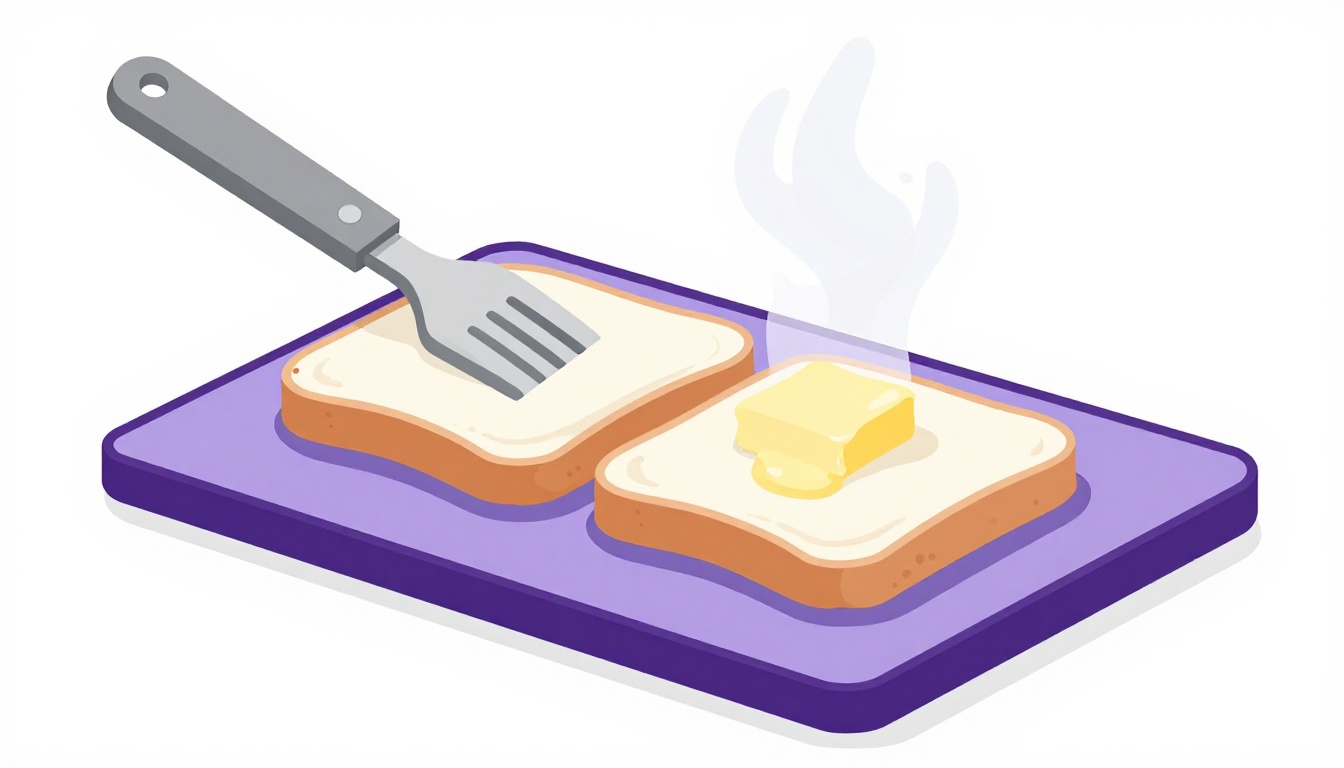
Step four, the chapa. Behind the counter you'll often see the "chapa," a flat metal griddle. This is where "pão na chapa" and toasted sandwiches happen. Wikipedia's page on pão na chapa describes it as bread, usually a halved "pão francês," buttered and pressed on a hot griddle or pan until it's crisp outside and soft inside. It's popular across São Paulo state, and it's very often paired with a coffee. Speaking Brazilian's guide to São Paulo's padarias paints the picture of the "padaria on every corner," the chapa working hard, the "salgadinhos" in the display, and the "brigadeiro" among the sweets.
Step five, ordering by weight. Cold cuts and cheese are sold by weight. You say how many grams you want: "Cem gramas de presunto, por favor" (a hundred grams of ham, please). Or "Duzentos gramas de queijo" (two hundred grams of cheese). The staff slice it, weigh it, and wrap it. It's normal to ask for "fatiado fino" (sliced thin). If numbers still make you hesitate, our guide to numbers in Portuguese is the fastest way to get comfortable with hundreds and the words for weight.
Step six, the lunch plate. Some padarias run a lunch service, and some do it "por quilo," meaning you fill a plate at a buffet and pay by weight. Wikipedia's page on comida por quilo explains the system: your plate goes on a scale at the end of the line, and you pay for exactly what you took. It's a very practical way to eat lunch, and a few padarias in every big Brazilian city offer it.
Step seven, paying. You go to the "caixa" (cash register). If you have a comanda, staff scan it and total everything up. You pay, get a receipt, and then insert or hand over the card at the exit. If you don't have one, you pay at the counter as you order. Either way, "Quanto deu?" (how much was it?) works as a quick question.
A few more things worth knowing. Opening hours vary wildly. Some padarias open at five or six in the morning and close mid-afternoon. Others stay open until late at night, and some big-city ones run twenty-four hours, according to the same Correres Mi Destino guide. Sundays and holidays change things, so it's wise to check before you count on one. Our guide to the days of the week in Portuguese helps you read the hours on the door, and what time is it in Portuguese helps you ask when they close.
The padaria is also a social place. People stand at the counter and talk to the same faces every morning. The attendant knows their order. Someone reads the paper. Someone's kid grabs a "pão de queijo." It isn't only a shop. It's a small piece of the neighborhood, and that's a big reason why practicing bakery Portuguese pays off: you'll use it in a place where people actually talk to each other.
What to Order at a Padaria in Brazil
Here's the menu. Not every padaria has all of it, but most have a lot of it. We'll go category by category, starting with bread and toast.
| Portuguese | What it is | Notes |
|---|---|---|
| pão francês | small crusty white roll | Brazil's everyday bread. Also called "pãozinho," "cacetinho," "pão de sal," or "carioquinha" depending on the region. |
| pão na chapa | halved roll, buttered, pressed on a griddle | Often eaten with "requeijão" (soft cream cheese) and coffee. |
| pão de forma | sliced sandwich bread | The soft supermarket-style loaf. |
| pão integral | whole wheat bread | Darker, denser. |
| torrada | toast | Slices toasted, usually with butter. |
| misto quente | hot ham and cheese sandwich | Pressed and toasted, a classic padaria snack. |
| bauru | sandwich with roast beef or ham, cheese, and tomato | A São Paulo classic. |
Wikipedia's page on pão francês makes an important point: it was created in Brazil and has little to do with France, despite the name. It also lists the other names for the roll, and it mentions that March 21 is Pão Francês Day in Brazil. If you want the whole story on the roll and the strange regional names, our bread in Portuguese guide already covers it, so we won't repeat it here. And Wikipedia's page on misto quente is a good quick read on the ham-and-cheese sandwich that's on almost every padaria menu.
Now the savory snacks. These are the "salgados," and they're the heart of the padaria counter.
| Portuguese | What it is | Notes |
|---|---|---|
| pão de queijo | cheese bread | Small, chewy, cheesy rolls made with cassava starch. |
| coxinha | breaded, fried chicken croquette | Teardrop shape, filled with shredded chicken. |
| kibe | fried bulgur and beef croquette | Lebanese-Brazilian favorite, often torpedo-shaped. |
| empada | small savory pie | Flaky crust, filled with chicken, cheese, or heart of palm. |
| risole | fried breaded turnover | Half-moon shape, filled with meat, cheese, or ham. |
| pastel | fried turnover | Thin crisp pastry, folded around cheese, meat, or other fillings. |
| enroladinho de salsicha | hot dog wrapped in dough | A kid favorite. |
| esfiha | small open or folded savory pastry | Middle Eastern origin, very common in Brazil. |
Braziliansweets.com's guide to Brazilian pastries and salgados covers the classics: pastel, pão de queijo, coxinha, kibe, and empada. For more detail on individual ones, the Wikipedia pages on pão de queijo, coxinha, empada, and rissole each explain the filling and the story. According to Wikipedia's article on pastéis, the Brazilian pastel is a fried half-moon or rectangle turnover that comes from São Paulo state, with fillings like ground meat, mozzarella, heart of palm, and codfish, and it's traditionally sold at street fairs with a glass of "caldo de cana" (sugarcane juice). That's a long way from a Portuguese pastelaria, which is why the word confuses people.
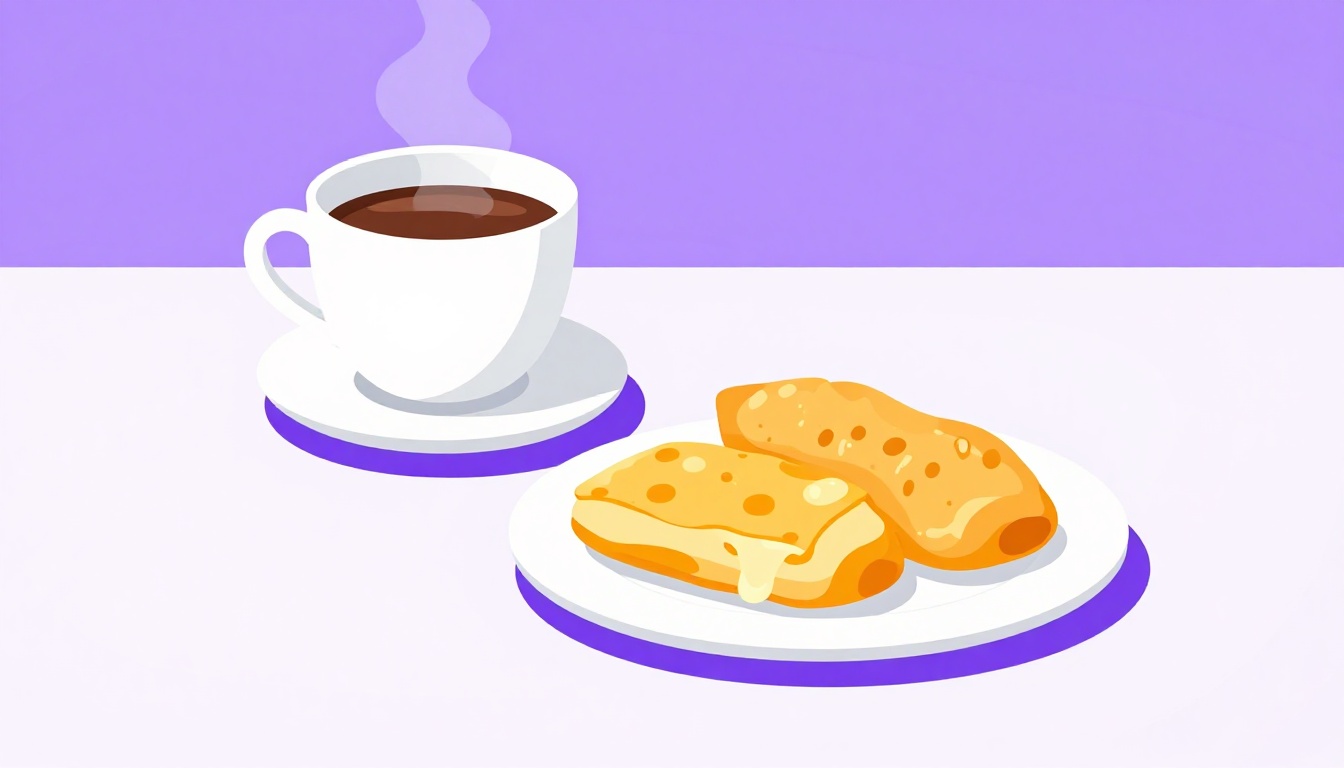
On the sweet side, you'll usually find a rotating set of cakes and treats.
| Portuguese | What it is | Notes |
|---|---|---|
| bolo de cenoura | carrot cake | Usually with a chocolate topping. |
| bolo de fubá | cornmeal cake | Soft, simple, great with coffee. |
| bolo de laranja | orange cake | Light and citrusy. |
| bolo de limão | lemon cake | Often with a glaze. |
| pudim de pão | bread pudding | Made from leftover bread, soft and custardy. |
| brigadeiro | chocolate truffle | Made with condensed milk. Covered in chocolate sprinkles. |
| sonho | filled fried doughnut | Usually with custard or other sweet cream. |
| cobertura | topping or frosting | You'll hear it when ordering a cake. |
Wikipedia's page on brigadeiro tells the story of Brazil's favorite party sweet. And Wikipedia's page on bola de Berlim notes that the same filled doughnut is called "sonho" in Brazil, while Portugal knows it as the beach treat. Same fried dough, two names, and two different moods.
Finally, the drinks. A padaria without coffee wouldn't be a padaria.
| Portuguese | What it is | Notes |
|---|---|---|
| cafezinho | small, strong black coffee | The standard, usually sweetened at the counter. |
| café com leite | coffee with milk | Bigger and milkier. |
| média | coffee with milk in a cup | Common in São Paulo, served with bread or pão na chapa. The name varies by region. |
| pingado | coffee with a little milk | A splash of milk in a small cup. |
| suco natural | fresh juice | Orange, lemon, passion fruit, and more. |
| vitamina | fruit and milk blended | Similar to a smoothie, usually milk-based. |
| água | water | Still or sparkling ("com gás"). |
For drinks beyond the padaria, our guides to water in Portuguese and beer in Portuguese cover the words for what you'll drink later in the day. And if you're overwhelmed by the menu, the wider vocabulary in The Brazilian Ways' food vocabulary guide gives you a longer list to keep handy.
Breakfast and Afternoon Coffee
Brazilians eat two small meals around the padaria, and both have names you'll need.
"Café da manhã" is breakfast. Literally, "morning coffee." "Café da tarde" is the afternoon snack, literally "afternoon coffee." In many homes and offices it happens around four in the afternoon, with coffee, bread, and something sweet. The padaria is a natural stop for both.
| Portuguese | English | What usually happens |
|---|---|---|
| café da manhã | breakfast | Coffee with milk, bread with butter, maybe fruit or cheese. |
| lanche da manhã | mid-morning snack | A salgado or a pastry with coffee. |
| almoço | lunch | Sometimes a plate at the padaria, sometimes por quilo. |
| café da tarde | afternoon snack | Coffee, bread, cake, or a "salgado." |
| lanche | snack | A general word for a light meal. |
| jantar | dinner | Not usually at the padaria, though some serve pizza. |
| ceia | late supper | Rare, but you'll hear it around holidays. |
For a wider set of meal and food words, our complete guide to food in Portuguese picks up where this leaves off. And if you're curious what the year-end table looks like in Portugal, how the Portuguese celebrate Christmas walks through it.
Inside a Portuguese Pastelaria
Cross the Atlantic and the picture changes. A "pastelaria" in Portugal is a place to slow down for five minutes, or stay for an hour. It's where people have their morning coffee, a mid-morning pastry, and sometimes a light lunch. Let's start with what's in the cup.

| Portuguese | What it is | Notes |
|---|---|---|
| uma bica | espresso | The Lisbon word. In Porto you'll often hear "um cimbalino" instead. |
| um café | espresso | Widely understood across the country. |
| um pingado | espresso with a drop of milk | Also called "café pingado." |
| uma meia de leite | half coffee, half milk | Served in a larger cup. |
| um galão | tall glass of milky coffee | More milk than a meia de leite, a morning drink. |
| um abatanado | longer espresso with more water | Something like an Americano. Often heard in Lisbon. |
| um garoto | small espresso with a little milk | Used in some cities. The name and size vary. |
| um descafeinado | decaf | Usually available. |
Portugalist's guide to ordering coffee in Portugal goes through these names in detail, and it's worth reading if you're headed to Lisbon, since the words change from city to city. The Taste of Lisboa guide to pastelaria etiquette adds the local habits: locals often stand at the counter and finish a "bica" in a couple of sips, while a "meia de leite" or "galão" is more of a sit-down morning drink. Order a galão after a big lunch and you may get a curious look.
Now the pastries, which is where a pastelaria really shines.
| Portuguese | What it is | Notes |
|---|---|---|
| pastel de nata | custard tart | Plural: pastéis de nata. Served warm, often with cinnamon and icing sugar. |
| bola de Berlim | filled doughnut | A summer beach classic, usually filled with egg cream. |
| bolo de arroz | rice flour cake | A small, tender muffin-like cake. |
| queijada | small cheese tart | Sweet, soft, and lightly spiced. |
| travesseiro | pillow-shaped puff pastry | Filled with almond cream. |
| pão de Deus | sweet bun with coconut topping | Brioche-like, soft. |
| folhado misto | puff pastry with ham and cheese | A savory option. |
| pastel de bacalhau | codfish fritter | Salty, fried, and a national favorite. |
| rissol (plural: rissóis) | fried half-moon turnover | Filled with meat, shrimp, or other fillings. |
| croquete | fried croquette | Usually meat, served hot. |
| empada | small savory pie | Chicken or other fillings. |
| tosta mista | grilled ham and cheese sandwich | The Portuguese cousin of the misto quente. |
| prego no pão | steak sandwich | Thin steak in a roll, a classic snack. |
The most famous of them all deserves its own moment. According to Wikipedia's article on pastéis de nata, the recipe comes from monks at the Jerónimos Monastery in Belém, in Lisbon, before the eighteenth century. After the monasteries were dissolved in the 1830s, the recipe reached a nearby sugar refinery, and the Fábrica de Pastéis de Belém opened in 1837. The singular is "pastel de nata," and the plural is "pastéis de nata." Don't confuse it with the Brazilian "pastel," which is a fried, savory turnover. Same root word, completely different snack.
Alone and Abroad's Portugal pastry guide runs through many of the rest, from "pão de Deus" and "travesseiro" to "queijada" and "pastel de bacalhau." Wikipedia's page on bolo de arroz explains the rice cake, and the entry on bola de Berlim covers the beach doughnut, which is typically sold by vendors on the sand in summer.
How a pastelaria works
The etiquette is relaxed, but it helps to know the outline.
| Situation | What usually happens |
|---|---|
| Quick coffee | Stand at the counter, order a "bica," drink it, pay, leave. |
| Sit-down visit | Take any free table. A waiter comes, or you order at the counter. |
| Paying | Varies. Sometimes at the register, sometimes at the table. Staff often remember what you had. |
| Tipping | Optional and small. Rounding up or leaving some coins is common. |
| Morning drinks | Galão and meia de leite are mostly morning drinks. |
Some pastelarias also offer a "prato do dia" (dish of the day) and a "sopa do dia" (soup of the day), which is why locals eat lunch there. And if you want to ask for the bill, "A conta, se faz favor" is the line.
Portuguese bread names in one small table
Portugal has its own bread vocabulary. The Taste of Lisboa definitive guide to bread in Portugal covers the details, including how bread arrives at restaurant tables as the "couvert," which is sometimes charged.
| Portuguese | What it is | Notes |
|---|---|---|
| papo-seco | light white roll | The everyday breakfast roll, often with butter or ham and cheese. Also called "carcaça" in some places. |
| broa de milho | cornbread | Dense, with a thick crust. |
| pão alentejano | Alentejo wheat bread | Thick crust, chewy inside. |
| bolo do caco | Madeira flatbread | Often eaten with garlic butter. |
| pão de Mafra | Mafra bread | A traditional loaf. |
| pão ao peso | bread sold by weight | You choose, they weigh. |
Wikipedia's page on broa explains the cornmeal loaf, which is common in both Portugal and Brazil. And if a pastelaria stop ends with a glass of something stronger than coffee, our guide to wine in Portuguese has the words for the next round.
A quick reminder: Comigo focuses on Brazilian Portuguese. If you're heading to Portugal, the words in this section will be understood, but the accent and some vocabulary will sound different from what you practice with Capy. That's normal, and the two varieties still share the same bones.
The People and Things Inside a Bakery
You've got the place and the food. Now meet the people, the tools, and the words that describe how bread and pastry actually get made.
| Portuguese | English | Notes |
|---|---|---|
| padeiro / padeira | baker (bread) | The person who makes or sells bread. |
| confeiteiro / confeiteira | pastry chef, confectioner | Brazil. Makes cakes, sweets, desserts. |
| pasteleiro / pasteleira | pastry chef | Portugal. |
| atendente | counter attendant | Common in Brazil. |
| balconista | counter clerk | Also common in Brazil. |
| caixa | cashier, register | "A caixa" is the person or the register, depending on context. |
| forno | oven | "Forno de lenha" is a wood-fired oven. |
| massa | dough | Also means pasta, so context matters. |
| farinha | flour | "Farinha de trigo" is wheat flour. |
| fermento | yeast, leavening | "Fermento biológico" is baker's yeast. |
| receita | recipe | Also the word for a medical prescription. |
| assar | to bake, roast | "Assar o pão" is to bake the bread. |
| amassar | to knead | Also means to crush or squash. |
| fatiar | to slice | "Fatiar o pão." |
| embalar | to wrap, pack | "Pode embalar para viagem?" |
| vitrine | display case | The glass case at the counter. |
| balcão | counter | Where you order. |
| prateleira | shelf | Where the bread sits. |
| sacola / saco de papel | bag / paper bag | "Sacola" is common in Brazil. |
| fresquinho | nice and fresh | Diminutive, very warm in tone. |
| quentinho | nice and warm | Same pattern. |
| saiu agora do forno | just came out of the oven | What staff say when it's hot. |
Notice how the jobs work. Most of them follow the same gender pattern: "-eiro" for a man, "-eira" for a woman. "Padeiro" and "padeira." "Confeiteiro" and "confeiteira." "Pasteleiro" and "pasteleira." Wiktionary's entry for "padeiro" lists the pair, and Cambridge's Portuguese-English entry for "padeiro" confirms the translation. For dictionary definitions in Portuguese, the Portuguese-language Priberam entry for "padeiro" and the Brazilian Dicio entry for "padeiro" are both worth bookmarking, since they show you how native speakers define the word.
So what's the difference between a "padeiro" and a "confeiteiro"? A padeiro makes bread. A confeiteiro makes cakes and sweets. In small shops one person may do both, but the job titles stay separate. In Portugal, the pastry maker is a "pasteleiro," and Randstad Portugal's careers page on padeiro e pasteleiro describes both roles side by side, which is a nice look at how the two trades sit together in the Portuguese job market.
The same "-eiro/-eira" pattern shows up in many other trades, like "cozinheiro" (cook), "açougueiro" (butcher), and "pedreiro" (bricklayer). If jobs are your thing, Rio and Learn's guide to professions in Portuguese goes through more of them and explains how gender works across the list. And if you want to talk about your own job to a chatty padeiro, a strong grip on "to be" helps, which our guide to ser conjugation in Portuguese covers.
A small note on the word "massa." It means dough, but it also means pasta, and in Brazilian slang it can mean "cool" (as in "Que massa!"). Context does the work. At a bakery counter, it's dough.
Phrases for the Bakery Counter
Here's the toolkit. These are the lines you'll actually say, grouped by the moment they happen. Learn one row from each table and you can handle a whole visit.
Entering and greeting
| Portuguese | English | When you'd use it |
|---|---|---|
| Bom dia! | Good morning! | Walking in before noon. |
| Boa tarde! | Good afternoon! | From noon until dark. |
| Oi, tudo bem? | Hi, how's it going? | Casual, at a regular spot in Brazil. |
| Pois não? | How can I help you? (Brazil) | What staff say when it's your turn. |
| Diga, se faz favor. | Tell me, please. (Portugal) | Staff invite you to order. |
If you want to go beyond "tudo bem," our guide to how are you in Portuguese has the full set of answers, including the ones people really use.
Asking what's fresh
| Portuguese | English | When you'd use it |
|---|---|---|
| O que tem de fresquinho? | What's fresh? | Asking what came out recently. |
| Saiu agora do forno? | Did it just come out of the oven? | Checking if it's warm. |
| Tem pão quentinho? | Do you have warm bread? | Looking for fresh rolls. |
| Qual é o bolo do dia? | What's the cake of the day? | Asking about specials. |
| O que é isso? | What is this? | Pointing at something unfamiliar. |
Ordering
| Portuguese | English | Notes |
|---|---|---|
| Queria um pão francês, por favor. | I'd like a pão francês, please. | Polite and natural in both countries. |
| Gostaria de um café com leite. | I would like a coffee with milk. | A bit more formal. |
| Me vê um pão de queijo. | Give me a cheese bread. | Informal Brazilian, very common at counters. |
| Eu quero um cafezinho. | I want a small coffee. | Direct, fine among friends, blunt with strangers. |
| Vou levar dois pães. | I'll take two rolls. | Deciding on a quantity. |
| Pode ser esse. | That one is fine. | Pointing and choosing. |
Quantity and weight
| Portuguese | English | Notes |
|---|---|---|
| Cem gramas de presunto. | A hundred grams of ham. | Common cold-cut order in Brazil. |
| Meio quilo de queijo. | Half a kilo of cheese. | "Meio" here means half. |
| Uma dúzia. | A dozen. | Rolls, pastries, eggs. |
| Meia dúzia. | Half a dozen. | Six. |
| Uma fatia. | One slice. | Cake, ham, cheese. |
| Um pedaço. | One piece. | Cake, pie, or a chunk of something. |
Asking the price and paying
| Portuguese | English | Notes |
|---|---|---|
| Quanto custa? | How much does it cost? | Asking about one item. |
| Quanto é? | How much is it? | Portugal, asking for the total. |
| Quanto deu? | How much was it? | Brazil, asking for the total. |
| Posso pagar com cartão? | Can I pay by card? | Very common question. |
| Aceita Pix? | Do you take Pix? | Brazil's instant payment system. |
| A conta, se faz favor. | The bill, please. | Portugal, sitting at a table. |
Special needs
| Portuguese | English | Notes |
|---|---|---|
| Isso tem glúten? | Does this have gluten? | Checking before you order. |
| Tem algo sem lactose? | Do you have something lactose-free? | Asking for options. |
| Sou alérgico a amendoim. | I'm allergic to peanuts. | Use "alérgica" if you're a woman. |
| Não coloque açúcar, por favor. | Don't add sugar, please. | For coffee at the counter. |
Rio and Learn's Brazil bakery vocabulary guide has more cake, bread, and filling words plus a sample dialogue if you want a second source for the ordering lines above. For a deeper dive on gluten-free, dairy-free, and vegan vocabulary, we already covered it in the bread in Portuguese guide, so there's no reason to repeat it all here.
Leaving
| Portuguese | English | Notes |
|---|---|---|
| Obrigado / obrigada! | Thank you! | Men say "obrigado," women say "obrigada." |
| Tenha um bom dia! | Have a good day! | Friendly exit. |
| Até amanhã! | See you tomorrow! | To a staff member you see daily. |
| Tchau! | Bye! | Casual, Brazil. |
| Adeus / até logo | Goodbye / see you later | Portugal, common. |
If you'd like more ways to close a conversation, our guide to saying goodbye in Portuguese covers them, and saying thank you in Portuguese explains why "obrigado" changes with the speaker.
Three small phrases that do a lot of work
"Para levar" means "to go" or "to take away." "Para comer aqui" means "to eat here." Staff will often ask you which one, and it changes whether your order goes in a bag or on a plate. "Pode ser" means "that works" or "sure," and you'll say it when staff suggest something. And "Mais alguma coisa?" means "Anything else?" You'll hear it a hundred times.
If you get stuck and the counter person starts talking fast, don't panic. Our guide to how to say "I don't speak Portuguese" in Portuguese gives you the lines to slow things down, and excuse me in Portuguese is the one to reach for when you need to get someone's attention. Both are more useful than they sound.
Two Full Bakery Dialogues
Time to put it all together. First a Brazilian padaria, then a Portuguese pastelaria. Read the Portuguese out loud, cover the English, and see how much you can follow.
Dialogue one: a padaria in Brazil
| Speaker | Portuguese | English |
|---|---|---|
| Atendente | Bom dia! Pois não? | Good morning! How can I help? |
| Você | Bom dia! Queria dois pães franceses e um pão de queijo, por favor. | Good morning! I'd like two rolls and a cheese bread, please. |
| Atendente | Mais alguma coisa? | Anything else? |
| Você | Sim. Me vê um cafezinho também. | Yes. Give me a small coffee too. |
| Atendente | É para levar ou vai comer aqui? | Is it to go, or are you eating here? |
| Você | Vou comer aqui. Vocês têm bolo de fubá? | I'm eating here. Do you have cornmeal cake? |
| Atendente | Tem, saiu agora do forno. | We do, it just came out of the oven. |
| Você | Então uma fatia, por favor. | Then one slice, please. |
| Atendente | Pode ser. Só isso? | Sure. Just that? |
| Você | Só isso. Quanto deu? | Just that. How much was it? |
| Atendente | Dezoito reais e cinquenta. | Eighteen reais and fifty centavos. |
| Você | Aqui está. Obrigado! | Here you go. Thank you! |
| Atendente | Obrigado você! Bom apetite. | Thank you! Enjoy your meal. |
A few notes. "Você" in the speaker column just means "you," the customer. If you're a woman, you'd say "obrigada." "Me vê" is the casual Brazilian way to say "give me," very common at counters, though "queria" or "gostaria" is safer with strangers. And "vai comer aqui" uses the same "ir" verb that we cover in our guide to ir verbs in Portuguese, because the future "going to" idea works the same way in everyday speech.
Dialogue two: a pastelaria in Portugal
| Speaker | Portuguese | English |
|---|---|---|
| Empregado | Bom dia! Diga. | Good morning! Go ahead. |
| Cliente | Bom dia. Queria uma bica e um pastel de nata, se faz favor. | Good morning. I'd like an espresso and a custard tart, please. |
| Empregado | É para levar ou comer aqui? | Is it to go or to eat here? |
| Cliente | É para comer aqui, ao balcão. | To eat here, at the counter. |
| Empregado | Muito bem. Mais alguma coisa? | Very good. Anything else? |
| Cliente | Queria também um pão de Deus. Tem? | I'd also like a pão de Deus. Do you have one? |
| Empregado | Tenho, está fresquinho. | I do, it's nice and fresh. |
| Cliente | Então sim, por favor. | Then yes, please. |
| Cliente | (minutes later) A conta, se faz favor. | (minutes later) The bill, please. |
| Empregado | Fica em três euros e vinte. | That comes to three euros twenty. |
| Cliente | Aqui tem. Obrigado! | Here you go. Thank you! |
| Empregado | De nada. Bom dia! | You're welcome. Have a good day! |
Notice the differences. The Portuguese counter person says "Diga" (literally "tell me"), a common Portuguese way to start an order. The customer says "se faz favor" more than a Brazilian would say "por favor." The money is euros and "cêntimos" instead of reais and "centavos." And the pace is often a little more clipped, though that varies by city. As with any dialogue, real staff may say things differently, and that's fine. What matters is that you recognize the shape.
Now the honest part. You can read a dialogue ten times and still freeze the first time a real attendant says "Pois não?" at full speed. Reading trains your eyes, not your mouth. That's why we built Comigo around speaking: you say the lines out loud, see which words you got right, and repeat them with Capy until they feel easy. A bakery order is a perfect first conversation, since it's short, predictable, and the same every time.
Why Politeness and Tone Matter at the Counter
You can order without being polite. People do. But a few small choices change how the whole exchange feels, in Brazil and Portugal.
| Choice | Feels like | Better option |
|---|---|---|
| "Eu quero um pão." | blunt, a bit demanding | "Queria um pão, por favor." |
| Skipping "por favor" | cold | Add it, always. |
| "Obrigado" said by a woman | wrong form | Women say "obrigada." |
| Using "você" in Portugal | sometimes sounds distant or odd | Use the verb form without a pronoun, or "o senhor / a senhora" with older staff. |
| "Tu" in Brazil | regional, can sound out of place | Use "você" in most of Brazil. |
"Queria" is the softest way in. It literally means "I wanted," in a past form that Portuguese uses like English "I'd like." It's the most useful verb form at any counter, and it works in both countries. "Eu quero" is grammatically fine and you'll hear friends use it, but with a stranger it lands a bit hard. Add "por favor" and it softens, and our guide to saying please in Portuguese explains when "por favor" is expected and when people drop it.
On "tu" versus "você": in most of Brazil you use "você" with strangers, and in much of Portugal people use the verb alone or "tu" with friends and "o senhor / a senhora" with older or formal contacts. You don't need to master this today. Just know that a counter is a low-stakes place to hear both.
Numbers, Money, and Weights at the Bakery
Nothing exposes a gap in your Portuguese like a price said quickly. Here's a table of the amounts you'll hear.
| Portuguese | English | Where |
|---|---|---|
| real / reais | Brazilian currency (singular / plural) | Brazil |
| centavos | cents | Brazil |
| euro / euros | euro | Portugal |
| cêntimos | cents | Portugal |
| um grama / gramas | gram / grams | both |
| um quilo / meio quilo | a kilo / half a kilo | both |
| uma dúzia / meia dúzia | a dozen / half a dozen | both |
| uma fatia | a slice | both |
| um pedaço | a piece | both |
| um pacote | a pack | both |
| dois reais e cinquenta | two reais fifty | Brazil |
| dois euros e cinquenta | two euros fifty | Portugal |
The pattern for prices is number, currency, the word "e" (and), then cents. So R$4,50 is "quatro reais e cinquenta." Our numbers in Portuguese guide covers everything up to the hundreds you'll need for weights, and it's a good next read if prices keep tripping you up. A useful trick: at the register, if you don't catch the price, say "Pode repetir, por favor?" and look at the screen. Nobody minds.
Bakery Idioms and Expressions
Bread and cake sneak into everyday Portuguese in ways that have nothing to do with shopping. These are the well-known ones, the kind people really say.
| Expression | Literal meaning | Actual meaning | Example |
|---|---|---|---|
| pão, pão, queijo, queijo | bread, bread, cheese, cheese | Calling things exactly what they are, speaking plainly | "Ele fala pão, pão, queijo, queijo." (He speaks plainly.) |
| o pão nosso de cada dia | our daily bread | Something that happens every day, a routine | "Trânsito é o pão nosso de cada dia aqui." (Traffic is our daily bread here.) |
| ganhar o pão | to earn the bread | To earn a living | "Ela ganha o pão como padeira." (She earns her living as a baker.) |
| dar o bolo (Brazil) | to give the cake | To stand someone up | "Ele me deu o bolo ontem." (He stood me up yesterday.) |
| é pão comido | it's eaten bread | It's easy (you may hear this in some regions) | "Essa prova é pão comido." (This test is easy.) |
"O pão nosso de cada dia" comes from the Lord's Prayer, which is why it sounds a little formal, and people use it for anything routine, often with a sigh. "Dar o bolo" is worth remembering because it's such a common Brazilian way to say someone flaked on you. Nobody agrees on where the phrase came from, so just enjoy the cake. We'd be careful with "é pão comido," since it's heard in some places more than others, and it's not something you have to use. If you like this kind of thing, our guide to common sayings in Portuguese has more expressions that show up in daily talk, and Portugueselearn's phrases for discussing local food is a good second source for food talk.
Idioms are also a good reminder that a word like "pão" isn't just food. Bread stands for a living, for routine, for honesty. That's why learning the shop is also learning the culture.
Common Mistakes English Speakers Make at a Bakery
Here are the slips we see most often, and how to fix them. None of them are embarrassing, they're just predictable.
| Mistake | Why it happens | Fix |
|---|---|---|
| Assuming "pastelaria" is a pastry shop everywhere | It's true in Portugal, not in Brazil | In Brazil it's usually a fried "pastel" stall. |
| Ordering "um pastel" and expecting a custard tart | "Pastel" and "pastel de nata" sound alike | In Brazil "pastel" is a fried turnover. In Portugal a "pastel" can be many things, so say "pastel de nata." |
| Mixing up "bolo," "torta," and "tarte" | English has "cake" and "pie" | "Bolo" is cake. "Torta" is often a pie or tart in Brazil. "Tarte" is the Portugal word for tart. |
| Mixing up "biscoito" and "bolacha" | Both mean cookie or cracker | Usage varies by region. Ask or listen to how locals say it. |
| Saying "cookie" | English word, familiar | Many bakeries say "cookie" too, but "biscoito" is safe. |
| Not nasalizing "pão" | English has no nasal vowels | Practice "pão" with your nose engaged. |
| Saying "o padaria" | English has no gender | Say "a padaria." |
| Saying "eu quero" bluntly | Direct translation of "I want" | Use "queria" or "gostaria" plus "por favor." |
| Forgetting "para levar" | English says "to go" | Say "para levar" or "para viagem." |
A few of these deserve a comment. The "pastel" one is the biggest, because the two countries use the word for such different things. If you say "Quero um pastel" in a Brazilian padaria you'll get a fried snack, and that's probably not what you were picturing if your last trip was to Lisbon. And "yes" in the sense of "yes, please" is a small word with a lot of shapes, so if you're not sure how to answer "Quer mais alguma coisa?" our guide to yes in Portuguese breaks down "sim," "claro," "pode ser," and others.
The nasal "pão" is the mistake that gets the most attention. It's covered in our bread guide, but the short version: if you say something that sounds like "pau," you've asked for a stick, and the joke is famous enough that staff will smile before they correct you. Say it slow, with your nose, and you'll be fine.
Quick FAQ: Bakery in Portuguese, Answered Fast
| Question | Short answer |
|---|---|
| How do you say bakery in Portuguese? | "Padaria." |
| Is padaria masculine or feminine? | Feminine. "A padaria," "as padarias." |
| What's the difference between padaria and pastelaria? | A padaria is a bread bakery, and in Brazil it also sells snacks and coffee. In Portugal a pastelaria is a pastry and coffee shop, while in Brazil it usually means a place that fries pastéis. |
| What is a padoca? | Brazilian slang for a neighborhood bakery. |
| What is a confeitaria? | A shop for cakes and sweets. |
| How do you say "Where is the nearest bakery?" | "Onde fica a padaria mais próxima?" |
| How do you say "fresh bread"? | "Pão fresco," or "pão fresquinho" for a warmer, friendlier feel. |
| How do you say "I'd like a coffee and a pastry"? | "Queria um café e um doce, por favor." In Brazil, "um salgado" if you want a savory one. |
| How do you say "to go"? | "Para levar." |
| How do you ask for the bill in Portugal? | "A conta, se faz favor." |
If you're thinking beyond the bakery, some of these words travel. Portuguese is also spoken across several African countries, and our list of countries in Africa that speak Portuguese shows where else these words could turn up, though this guide sticks to Brazil and Portugal. And if you're planning to stay in a home rather than a hotel, our guide to house in Portuguese is a good follow-up, since bakery runs are a big part of living in a Brazilian neighborhood.
Beach days often end at a padaria, too. If you're planning one in Brazil, our beach in Portuguese guide has the vocabulary for the sand, and the cake shop on the way back is a fine place to use it. And if you're picking a cake by look, the words in our colors in Portuguese guide help you say "the pink one" or "the green one" without pointing.
If you'd like a broader set of starter words to go with these, basic words in Portuguese is a good place to build the foundation.
Say It Out Loud Before You Walk In
A bakery is the perfect low-stakes place to practice. The exchange is short, it's the same every time, and if you mess up, the worst that happens is a smile and a free correction. Nobody's grading you. You're just buying bread.
The trick is to practice before you go. Say "Queria um pão francês e um cafezinho, por favor" out loud five times in the shower, in the car, in your kitchen. Then say "Quanto deu?" five more. Your mouth needs those reps more than your eyes do. Learners who stay silent in study often freeze at the counter, and learners who speak first rarely do. If you want a structured path, our guides on how to learn Portuguese for free and learning Brazilian Portuguese in Brazil show you the options, and how one person learned Portuguese shows what it really looks like day to day.
When you're ready to try the counter lines out loud, Comigo has you speak Brazilian Portuguese with Capy, who listens without judging and shows you exactly which words you nailed. Practice the bakery order today, walk into a padaria tomorrow, and say "Bom dia" like you mean it.
Related guides
- Busuu vs DuolingoBusuu vs Duolingo: which app actually teaches more.
- How much does italki cost?What italki really costs per lesson, how tutor pricing works and how to spend less.
- italki reviewAn honest italki review: how lessons work, tutor quality, pricing and the downsides.
- Is Rosetta Stone worth it?Is Rosetta Stone worth the money in 2026? What it does well, and where it falls short.