
You're at a barbecue in São Paulo. Someone knocks over a drink. A friend laughs and says "fazer o quê?" Another one shrugs and adds "pois é." You nod like you get it. You don't. Not really.
You know the words. That's the trouble. "Fazer o quê" is just "do what," and "pois é" is close to nothing when you translate it. Yet Brazilians say both every single day. Common sayings in Portuguese carry the feeling of the language, and a dictionary can't hand you that feeling. This page will. You'll get everyday phrases, slang, idioms, and old proverbs, each with the literal meaning, the real meaning, and a note on when to use it. You'll also see where Brazil and Portugal go different ways.
One tip before we start. Reading a saying is step one. Saying it out loud is the step that makes it stick, and that's what Comigo is built for: every lesson is a spoken conversation with Capy, the capybara, so you can try these phrases in your own mouth before you try them on a stranger. Now, the phrases.
A quick note on scope. "Sayings" covers a lot of ground, so this guide splits it into four families: everyday phrases, proverbs (called "ditados populares"), idioms, and slang. I default to Brazilian Portuguese, the version most speakers use, and I flag European Portuguese whenever it differs. If you want a bigger base first, the basic words in Portuguese guide is a good warm-up.
The quick answer: 12 sayings to learn first
If you only have five minutes, learn these twelve. They show up in almost every conversation, and each one is short enough to say without thinking.
| Portuguese | Literal meaning | What it really means | Where |
|---|---|---|---|
| Tudo bem? | Everything good? | "How's it going?" and also "I'm fine" | Both |
| Beleza | Beauty | All good, cool, okay | Brazil |
| Valeu | It was worth it | Thanks, okay, or bye (casual) | Brazil |
| Pois é | Well, yes, it is | "Yeah, I know," "right," "that's how it is" | Both |
| Fazer o quê? | Do what? | "What can you do?" | Both |
| Se Deus quiser | If God wants | Hopefully | Both |
| Com certeza | With certainty | Definitely | Both |
| Tá bom | It's good | Okay, fine | Brazil |
| Sem problema | No problem | No worries | Both |
| Dar um jeito | To give a way | Find a way to make it work | Mostly Brazil |
| Saudade | Longing | The feeling of missing someone or something | Both |
| De nada | Of nothing | You're welcome | Both |
Some of these need a closer look. "Tudo bem?" works as both the question and the answer, which surprises people, and the how are you in Portuguese guide walks through every reply. "Valeu" sounds roughly like "va-LEH-oo," and Pimsleur's slang guide points out that words like "beleza," "valeu," and "tá ligado" are exactly the ones courses rarely teach. If you want the polite version of thanks, the thank you in Portuguese post covers "obrigado" and its friends.
"Pois é" deserves a moment. It has no clean translation, and that's normal. Your friend says "This traffic is terrible." You say "Pois é." You just agreed, sympathized, and said "I know, right?" in two syllables. "Fazer o quê?" works the same way. Your bus is late, your phone died, the rain won't stop. You shrug. "Fazer o quê?" It's the Portuguese way of accepting what you can't change.
"Se Deus quiser" trips up newcomers because it sounds religious. It often isn't. Kaiwa's guide to common expressions lists it among the everyday phrases you'll meet, and in daily talk it mostly means "hopefully." Someone asks "Will you come Saturday?" You say "Vou, se Deus quiser." Nobody hears a sermon.

Common sayings in Portuguese you'll hear all day
These tables are grouped by situation, because that's how you'll meet them. Plenty of flat phrase lists exist online, but a flat list won't tell you when to say what.
Greetings and reactions
You'll hear these in the first ten seconds of almost any chat. If you need the full set of openers, the how do you say hello in Portuguese guide has them, and so do the posts on good morning and good afternoon.
| Portuguese | Literal meaning | What it really means |
|---|---|---|
| E aí? | And there? | "What's up?" |
| Oi, sumido! | Hi, disappeared one! | "Long time no see!" |
| Nossa! | Our (Lady)! | "Wow!" |
| Caramba! | (mild exclamation) | "Wow!" or "Darn!" |
| Puxa! | (mild exclamation) | "Gee!" |
| Que legal! | How cool! | "That's great!" |
| Que bom! | How good! | "I'm glad!" |
| Que pena! | What a pity! | "That's too bad." |
| Sério? | Serious? | "Really?" |
| Tá brincando? | Are you playing? | "Are you kidding?" |
| Não acredito! | I don't believe it! | "No way!" |
"Nossa" is the one to master. It's short, it's everywhere, and it fits almost any surprise: good news, a huge bill, a beautiful view. "Que pena" and "que bom" are your emotional mirrors. A friend got the job: "Que bom!" She missed her flight: "Que pena!" They're tiny, and they show you're really listening.
For the goodbye side of a chat, the goodbye in Portuguese guide lists the exits, and "valeu" doubles as one of them.
Agreeing and disagreeing
Portuguese speakers agree loudly and refuse creatively. Here's the toolbox.
| Portuguese | Literal meaning | What it really means |
|---|---|---|
| É isso aí | It's that there | "Exactly," "you got it" |
| Pode crer | Can believe | "You bet," "for sure" |
| Tô ligado / Tá ligado | I'm connected / you're connected | "I get it" / "you know what I mean" |
| Tô dentro | I'm inside | "I'm in" |
| Tô fora | I'm outside | "I'm out" |
| Nem a pau | Not even with a stick | "Absolutely not" |
| Nem pensar | Not even think | "Not a chance" |
| Nem vem que não tem | Don't even come, there isn't any | "Don't even try it" |
| Imagina! | Imagine! | "Don't mention it" or "No way!" |
Kaiwa includes "É isso aí" and "nem a pau" in its list of idioms worth knowing, and Babbel's guide to Brazilian and Portuguese idioms lists "Nem vem que não tem!" as a classic. Use that last one with friends only. It's playful, a bit cheeky, and it won't land well with your boss.
"Tô ligado" is the slang star here. "Ligar" means to switch on or connect, so it's "I'm plugged in," or "I'm following you." Turn it into "tá ligado?" and you're asking "you know what I mean?" Also note "imagina." It flips meaning by tone: after a thank you it means "it was nothing," after a wild idea it means "no way."
Want a proper "yes" toolkit? The yes in Portuguese post covers "sim," "claro," "pois," and more.
Thanks and politeness
Brazilians are warm, and the language shows it. You'll say these constantly, and the please in Portuguese and excuse me in Portuguese guides cover the rest of the polite toolkit.
| Portuguese | Literal meaning | What it really means |
|---|---|---|
| Não tem de quê | There's nothing of what | "You're welcome" |
| Disponha | Make available | "Anytime," "at your service" |
| Com licença | With permission | "Excuse me" (passing, entering) |
| Foi mal | It was bad | "My bad" |
| Fique à vontade | Stay at will | "Make yourself at home" |
| Prazer | Pleasure | "Nice to meet you" |
| Saúde | Health | "Bless you" or "Cheers" |
Here's a difference worth knowing. In Portugal, the polite reply to thanks is often "não há de quê," and Trafalgar's phrase guide points to it as the European alternative to "de nada." Both work everywhere. "Com licença" travels well too: say it when you squeeze past someone, enter a room, or interrupt.
"Fique à vontade" is the phrase that tells you you're in a Brazilian home. Your host says it as you walk in, and it means "relax, help yourself." For more friendly basics, The Brazilian Ways has a strong beginner set.
Reassurance and "it's all good"
This family is huge in Brazil. The culture likes calm, and the language has a dozen ways to say "don't stress." If you learn only one group from this section, learn this one.
| Portuguese | Literal meaning | What it really means |
|---|---|---|
| Tranquilo | Tranquil | "It's fine," "no worries" |
| De boa | Of good | "Chill," "all good" |
| Fica tranquilo | Stay calm | "Don't worry" |
| Relaxa | Relax | "Chill out," "it's okay" |
| Deixa pra lá | Leave it over there | "Forget it," "let it go" |
| Deixa comigo | Leave it with me | "I'll handle it" |
| Que nada! | What nothing! | "Not at all!" |
| Vai dar tudo certo | It'll all work out | "It'll be fine" |
"De boa" and "tranquilo" are close cousins. Your friend is ten minutes late and apologizes. You say "De boa." Done. And "deixa pra lá" is the exit ramp from an awkward moment: you said something clumsy, the other person waves a hand and says it, and everyone moves on. Speaking Brazilian's list of expressions has more phrases in this calm spirit.
Sayings for celebrations and toasts
Some phrases only come out on special days. Learn them and you'll be the person who always says the right thing.
| Portuguese | Literal meaning | What it really means |
|---|---|---|
| Parabéns! | Congratulations! | Congrats, also "happy birthday" |
| Feliz aniversário | Happy anniversary | Happy birthday |
| Feliz Natal | Happy Christmas | Merry Christmas |
| Feliz Ano Novo | Happy New Year | Happy New Year |
| Tim-tim! | (clink sound) | "Cheers!" |
| Bom apetite | Good appetite | "Enjoy your meal" |
| Bom fim de semana | Good end of week | "Have a good weekend" |
You can go deeper on each. The congratulations in Portuguese and happy birthday in Portuguese posts cover "parabéns," and the merry Christmas and happy New Year posts cover the holidays. The days of the week in Portuguese guide helps with "good weekend." Before a meal, "bom apetite" is standard, and the food in Portuguese post covers the plate. When the glasses come out, the wine in Portuguese and beer in Portuguese guides teach the drinks.
Ditados populares: Portuguese proverbs
Now for the old stuff. A "ditado popular" is a folk proverb, a short line of shared wisdom. Most began as oral tradition. Grandparents passed them down at dinner tables, and they still pop up in conversation, songs, and family arguments. Collections like Wikiquote's list of Portuguese proverbs, Babbel's proverb guide, and Preply's proverb list show how many are alive. Many are shared by Brazil and Portugal, with slightly different wordings.
One habit to steal: most speakers shorten a proverb. They say the first half and let the listener finish it. If someone says "Água mole em pedra dura..." you're supposed to hear "...tanto bate até que fura" in your head. That's the game.
Patience and persistence
Portuguese proverbs love slow, steady effort. This makes sense for language learners too.
| Portuguese | Literal meaning | What it means |
|---|---|---|
| Água mole em pedra dura, tanto bate até que fura | Soft water on hard stone hits until it makes a hole | Persistence beats strength |
| Devagar se vai ao longe | Slowly you go far | Steady wins |
| Quem espera sempre alcança | Who waits always reaches | Patience pays off |
| A pressa é inimiga da perfeição | Haste is the enemy of perfection | Rushing ruins the work |
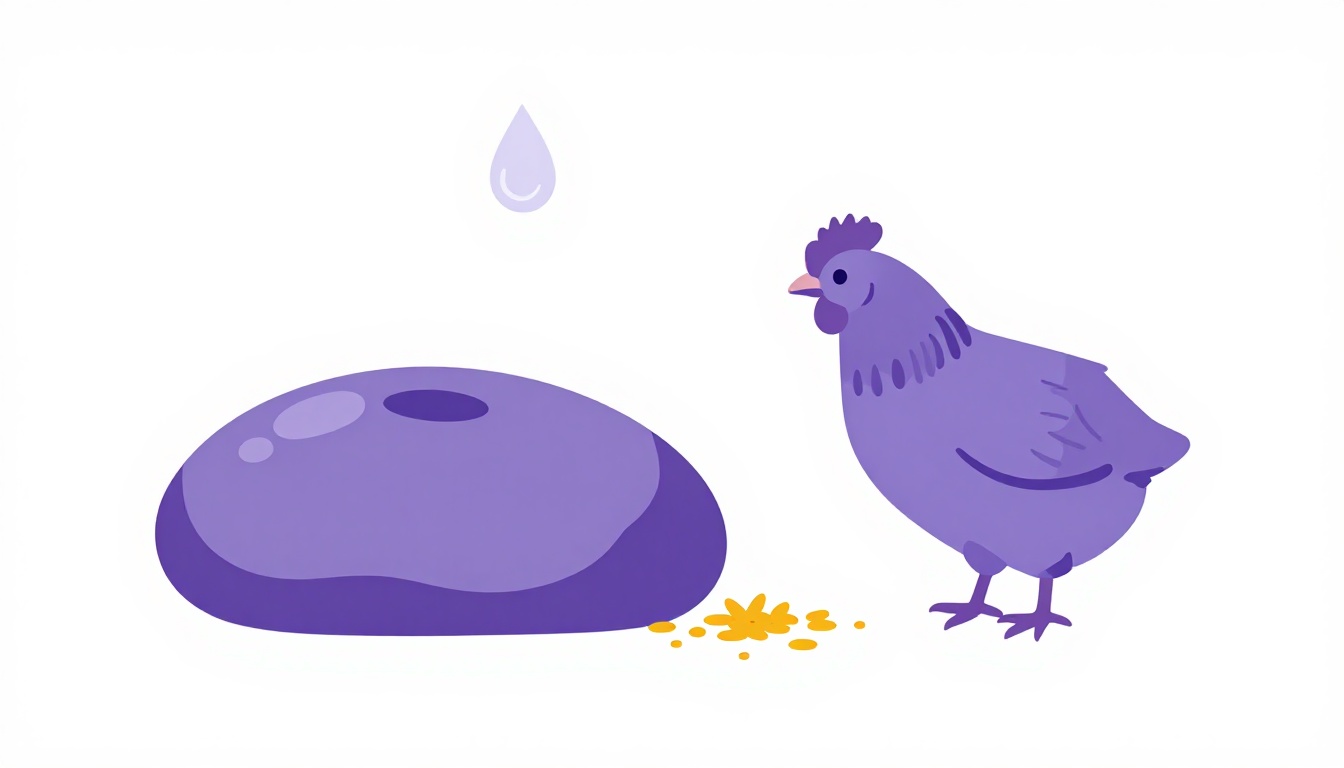
| De grão em grão, a galinha enche o papo | Grain by grain, the hen fills her belly | Small steps add up |
| Mais vale tarde do que nunca | Better late than never | Late still counts |
| Cada coisa a seu tempo | Each thing in its time | Don't force it |
| Deus ajuda quem cedo madruga | God helps who wakes early | Early effort gets rewarded |
| Devagar, que tenho pressa | Slowly, because I'm in a hurry | Go carefully to finish sooner |
The first one is the famous picture, a drop of water carving stone over years. Babbel lists it first among its Brazilian proverbs, and it's a perfect motto for learning a language. Babbel also notes the hurry proverb comes in two flavors: "a pressa é inimiga da perfeição" and the earthier "apressado come cru e quente," hurried people eat raw and hot. Both mean slow down.
"De grão em grão" is the one I'd put on a sticky note. A hen doesn't fill up in one gulp. Ten minutes of speaking a day is a grain. Preply also has "devagar se vai ao longe" and "quem espera sempre alcança," and PortuguesePod101's best proverbs is a friendly place to hear more. Water shows up a lot in these images, and the water in Portuguese post has the everyday vocabulary.
The last row, "devagar, que tenho pressa," is on Wikiquote's list and makes a fun little paradox: go carefully so you finish sooner. And when you need to ask about the clock itself, the what time is it in Portuguese guide is the tool.
Caution and good judgment
Portuguese has a long shelf of warnings. Here they are.
| Portuguese | Literal meaning | What it means |
|---|---|---|
| O seguro morreu de velho | The careful one died of old age | Being careful is fine, but too much caution stops you living |
| Gato escaldado tem medo de água fria | A scalded cat fears cold water | Once burned, twice shy |
| Nem tudo o que reluz é ouro | Not all that shines is gold | Looks can fool you |
| Mais vale um pássaro na mão do que dois a voar | A bird in the hand beats two flying | Keep what you have |
| Não cutuque a onça com vara curta | Don't poke the jaguar with a short stick | Don't provoke someone dangerous |
| Em boca fechada não entra mosquito | No mosquito enters a closed mouth | Sometimes it's smart to stay quiet |
| Cão que ladra não morde | A dog that barks doesn't bite | Loud people are rarely dangerous |
| Quem não arrisca não petisca | Who doesn't risk doesn't snack | Nothing ventured, nothing gained |
| Para bom entendedor, meia palavra basta | For a good listener, half a word is enough | A smart person gets the hint |
| Macaco velho não põe a mão em cumbuca | An old monkey doesn't put his hand in the pot | Experience keeps you out of traps |
| Gostos não se discutem | Tastes aren't argued | To each their own |
Babbel says "o seguro morreu de velho" argues for caution but warns that playing it too safe means you never really live. "Em boca fechada não entra mosquito" is a favorite of mothers who want a teenager to stop talking. For the cat and dog lines, see "gato escaldado," "cão que ladra não morde," and "quem não arrisca não petisca" on Preply.
"Não cutuque a onça com vara curta" has real Brazilian flavor. The onça is the jaguar, an animal Brazilians grow up hearing about. You'd say it about picking a fight with your boss's boss. And when someone drops a hint and you get it, you can answer: "Ah, entendi. Para bom entendedor..."
"Gostos não se discutem" comes from Wikiquote and does what it says: when your friend loves pineapple on pizza, say it and drop the subject. Discover Walks explains the bird-in-the-hand line well, and Transparent Language's matching quiz is a fun way to test yourself.
Friendship and company
Proverbs about friends are some of the most used. They deal with trust, loyalty, and who you spend your time with. If you're curious about the words themselves, the friend in Portuguese and friendship in Portuguese posts are the companions to this table.
| Portuguese | Literal meaning | What it means |
|---|---|---|
| Diz-me com quem andas e eu te direi quem és | Tell me who you walk with and I'll tell you who you are | You are shaped by your company |
| Antes só do que mal acompanhado | Better alone than in bad company | Bad friends are worse than none |
| A união faz a força | Union makes strength | Together we're stronger |
| Amigos amigos, negócios à parte | Friends are friends, business is separate | Don't mix money and friendship |
| Longe dos olhos, longe do coração | Far from the eyes, far from the heart | Out of sight, out of mind |
| Cada macaco no seu galho | Each monkey on its own branch | Mind your own business |
Wikiquote's collection lists "a união faz a força," "antes só do que mal acompanhado," and "amigos amigos, negócios à parte," all things you'd hear at a family lunch. "Cada macaco no seu galho" is on Babbel too. Your cousin starts giving advice about your job, and your aunt says it. Nobody has to say more.
"Longe dos olhos, longe do coração" is the sad cousin of saudade. It says distance kills feelings, while saudade says the heart doesn't forget. If you want to send a warmer message to someone far away, the I love you in Portuguese post is the place to start.
Work, money and luck
These are the practical ones. They show up when money is short, when the boss is difficult, or when you have to make do.
| Portuguese | Literal meaning | What it means |
|---|---|---|
| Saco vazio não para em pé | An empty bag doesn't stand up | You can't function hungry |
| Quem não tem cão, caça com gato | Who has no dog hunts with a cat | Use what you have |
| Casa de ferreiro, espeto de pau | The blacksmith's house has a wooden skewer | Experts neglect their own home |
| Santo de casa não faz milagre | The house saint works no miracles | Nobody values the talent close to home |
| Uma andorinha não faz verão | One swallow doesn't make a summer | One sign isn't proof |
"Saco vazio não para em pé" is perfect at 4 p.m. when everyone at the office turns grumpy. "Quem não tem cão, caça com gato" is what you say when the right tool is missing and you improvise. "Uma andorinha não faz verão" shows up in FluentU's idiom guide, where one good sign doesn't prove anything yet.
Family, home and blame
A few proverbs live around the dinner table. They're about kids, parents, and who gets the blame.
| Portuguese | Literal meaning | What it means |
|---|---|---|
| Filho de peixe, peixinho é | A fish's child is a little fish | Like father, like son |
| É de pequenino que se torce o pepino | You twist the cucumber while it's small | Teach children early |
| Papagaio come milho, periquito leva fama | The parrot eats the corn, the parakeet gets the fame | The wrong one gets blamed |
"Papagaio come milho, periquito leva fama" comes from Babbel's idiom piece, and "pimenta nos olhos dos outros é refresco" (pepper in other people's eyes is a refreshment, meaning other people's pain is easy to bear) is there too. For more collections, the Portugal-focused Elon grammar page on proverbs is helpful if you'll spend time in Lisbon.
Idioms that make no sense literally
Idioms are the fun part. Translate them word for word and you get a ridiculous picture. FluentU's Portuguese idioms guide, Foot Loose Lemon Juice's list, and Caminhos Languages' popular Brazilian idioms all show it: idioms are where learners fall in love with the language or feel lost. You can crack them by group.
Body-part idioms
Portuguese loves the body. Elbows talk, eyes cost money, and a face can be made of wood.
| Portuguese | Literal meaning | What it means |
|---|---|---|
| Falar pelos cotovelos | Speak through the elbows | Talk nonstop |
| Custar os olhos da cara | Cost the eyes of the face | Cost a fortune |
| Estar com a pulga atrás da orelha | Have a flea behind the ear | Be suspicious |
| Cara de pau | Wooden face | Shameless, brazen |
| Mão de vaca | Cow's hand | Stingy |
| Pôr a mão no fogo | Put a hand in the fire | Vouch for someone completely |
| Não ter papas na língua | Have no porridge on the tongue | Speak bluntly |
| Dar o braço a torcer | Give the arm to twist | Admit you were wrong |
| De mão beijada | With a kissed hand | Handed over for free |
"Falar pelos cotovelos" is in FluentU's list: the person keeps talking even when you're trying to leave. "Cara de pau" is on the same list. Say it about the man who cuts in line and smiles. "Custar os olhos da cara," "mão de vaca," "pôr a mão no fogo," and "de mão beijada" all appear in Speaking Brazilian's expressions post, and "não ter papas na língua" and "dar o braço a torcer" are covered, with example sentences, by The Brazilian Ways' 50 expressions.
Animal and food idioms
Now the zoo and the kitchen. Brazilians reach for animals and food whenever they need a vivid picture.
| Portuguese | Literal meaning | What it means |
|---|---|---|
| Amigo da onça | Friend of the jaguar | A fake friend |
| Comprar gato por lebre | Buy a cat instead of a hare | Get scammed, get tricked |
| Pagar o pato | Pay the duck | Take the blame for someone else's mess |
| Bicho de sete cabeças | Seven-headed beast | A problem that seems huge |
| Matar dois coelhos com uma cajadada só | Kill two rabbits with one blow | Kill two birds with one stone |
| Engolir sapos | Swallow frogs | Put up with things you hate, silently |
| Tirar o cavalinho da chuva | Take your little horse out of the rain | Hold your horses |
| Pagar mico | Pay the monkey | Suffer an embarrassing moment |
| Maria vai com as outras | Maria goes with the others | Someone who just follows the crowd |
| Descascar o abacaxi | Peel the pineapple | Deal with a hard problem |
| Enfiar o pé na jaca | Stick your foot in the jackfruit | Overdo it, go overboard |
| Arroz de festa | Party rice | Someone who shows up at every party |
| É muita areia para o meu caminhão | That's too much sand for my truck | It's more than I can handle |
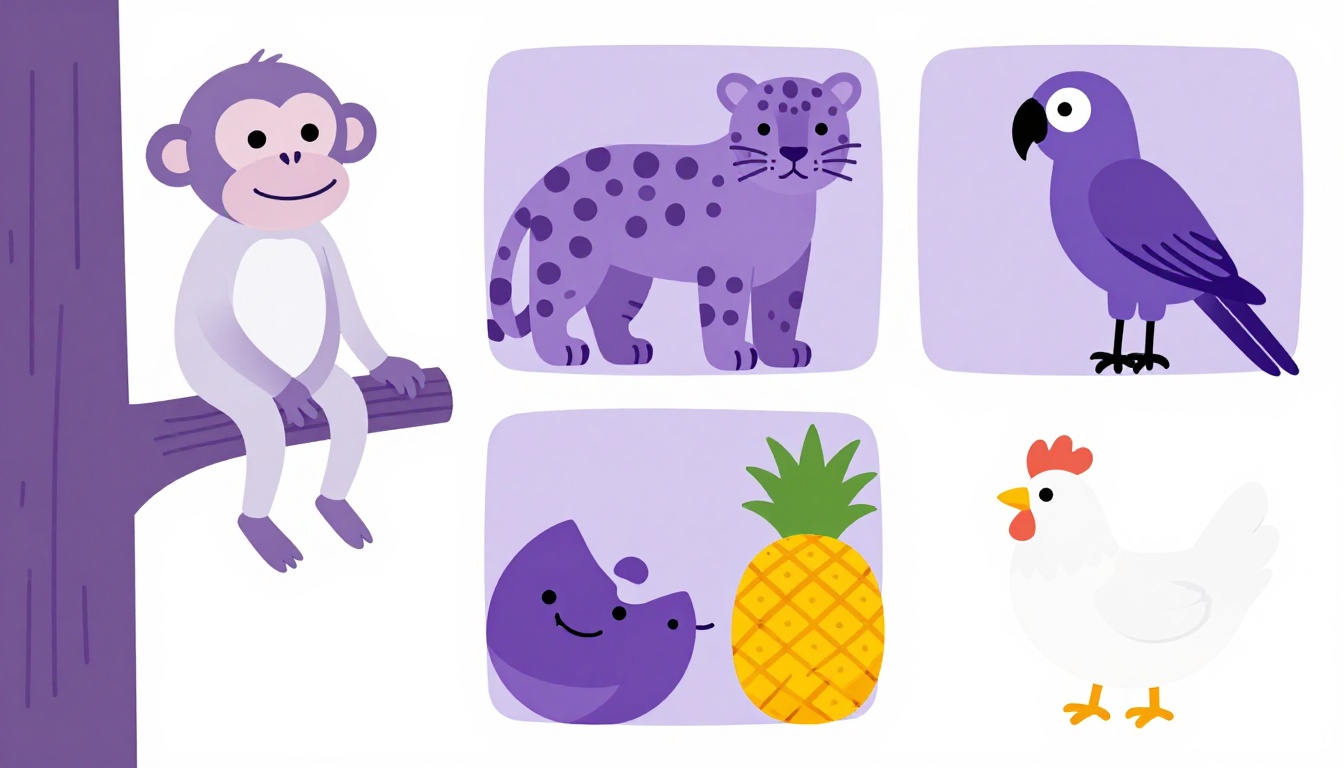
Babbel explains "amigo da onça" as the friend who looks kind but lets you down when it counts. FluentU has "comprar gato por lebre," "pagar o pato," "bicho de sete cabeças," "engolir sapos," "tirar o cavalinho da chuva," "descascar o abacaxi," "enfiar o pé na jaca," and "é muita areia para o meu caminhão." That's a big shelf, so take it in pieces.
Look at the number in "bicho de sete cabeças." Seven heads. When you say a job "não é um bicho de sete cabeças," you're telling a friend it's easier than it looks. If numbers make you nervous, the numbers in Portuguese guide will help you count past seven.
"Pagar mico" is a Brazilian classic, and The Brazilian Ways' 50-expression guide includes it along with "arroz de festa." You tripped in front of the whole office? You "pagou mico." Everyone has a mico story, and telling yours is a fine way to make friends.
"Enfiar o pé na jaca" needs a scene. You said you'd be careful this week. Then the barbecue happened, then the second dessert, then the caipirinha. "Enfiei o pé na jaca." Meanwhile "descascar o abacaxi" is the opposite: the pineapple is spiky, so it's your tough problem. Food idioms like these pair well with everyday food words.
More idioms with "dar," "ficar," "pegar" and friends
Brazilian Portuguese loves small, common verbs. "Dar" (to give) alone builds dozens of expressions. Once you learn the pattern you'll spot them everywhere. Speaking Brazilian groups its list by these verbs, which is a smart way to study.
| Portuguese | Literal meaning | What it means |
|---|---|---|
| Dar certo | Give right | Work out |
| Dar ruim | Give bad | Turn out badly |
| Dar conta | Give account | Manage, cope |
| Dar corda | Give rope | Encourage someone to keep going |
| Dar bolo | Give cake | Stand someone up |
| Ficar de boa | Stay of good | Stay relaxed |
| Ficar bolado | Stay "bolado" (slang) | Get upset or bothered |
| Ficar na mão | Stay in the hand | Be left stranded or let down |
| Ficar no vácuo | Stay in the vacuum | Get ignored, left on read |
| Ficar de molho | Stay in the soak | Rest, stay in |
| Ficar com um pé atrás | Stay with a foot back | Feel doubtful |
| Pegar leve | Take it light | Go easy |
| É pegar ou largar | It's grab or drop | Take it or leave it |
| Pisar na bola | Step on the ball | Mess up, let someone down |
| Chutar o balde | Kick the bucket | Give up in frustration |
| Queimar o filme | Burn the film | Ruin your reputation |
| Fazer vista grossa | Make a thick view | Turn a blind eye |
| Colocar panos quentes | Put warm cloths | Smooth things over |
| Pôr lenha na fogueira | Put wood on the fire | Make things worse |
| Botar a mão na massa | Put your hand in the dough | Get to work |
| Tirar onda | Take a wave | Show off, or joke around |
| Chá de cadeira | Chair tea | A long wait |
Most of these appear in The Brazilian Ways' list of 50 expressions, each with example lines. "Dar bolo" is the one to know before you date in Brazil: someone who gives you cake has stood you up. "Chá de cadeira" is the long wait when someone else is late. "Ficar no vácuo" belongs to the phone age: your message was read, and nothing happened.
"Pisar na bola" is a football image, and any Brazilian will use it about a friend who forgot your birthday. "Chutar o balde" is the moment you say "chega!" and stop trying. Its reverse, "botar a mão na massa," is the moment you say "vamos lá" and start working.
Want a second opinion? Portuguesdobrasil's list of common expressions and Kaiwa's roundup of phrases only locals know are good places to compare. A few more from FluentU don't fit the groups above.
| Portuguese | Literal meaning | What it means |
|---|---|---|
| Cair a ficha | The token drops | It finally clicks |
| Sem eira nem beira | Without threshing floor or roof edge | Penniless |
| Não é a minha praia | It's not my beach | It's not my thing |
| Tempestade em copo d'água | Storm in a glass of water | A fuss over nothing |
Now, if you've ever wondered whether all this makes Portuguese hard, the is Portuguese hard to learn guide gives an honest answer. Short version: the grammar isn't the wall. The idioms are the wall, and this page is the ladder.
"Dar um jeito" and the jeitinho brasileiro
If there's one phrase that explains Brazil, it may be "dar um jeito." Literally, "to give a way." In practice: "we'll figure it out." The plane is delayed, the printer is broken, the recipe lacks eggs. Someone says "Vou dar um jeito," and the room relaxes.
| Portuguese | Literal meaning | What it means |
|---|---|---|
| Dar um jeito | Give a way | Find a solution |
| Ter jeito para | Have a way for | Have a talent for |
| Sem jeito | Without a way | Awkward, embarrassed |
| Com jeito | With a way | Gently, with tact |
| Jeitinho brasileiro | The little Brazilian way | Bending the rules with charm |
| Quebrar o galho | Break the branch | Help out with a quick fix |
| Dar uma força | Give a strength | Lend a hand |
Semantica Portuguese's jeito guide walks through how the word bends. The core idea is "a way, a knack, a manner." A friend at a party who knows nobody stands there "sem jeito." A friend who cooks well "tem jeito para cozinha."
Then there's the famous cousin, the "jeitinho," the little way around a problem. The Wikipedia entry on jeitinho describes it as circumventing or bending rules, celebrated as resourcefulness and criticized as the soft edge of corruption. Transparent Language's "What the heck is a jeitinho?" is a friendly explanation for outsiders. Both sides are real. A neighbor who fixes your gate with a borrowed ladder is warm jeitinho. Someone who skips a line because his cousin works at the desk is the shady kind.
Two phrases go with it. "Quebrar o galho" means to fix a problem with a quick improvised solution, or to do a small favor: "Valeu por quebrar o galho." "Dar uma força" is a lighter "help me out." Both are in that same 50-expression list, with examples you can copy. Here's a mini-dialogue: "Perdi a chave." "Fica tranquila, eu dou um jeito." "Valeu por quebrar o galho!" "Imagina, é só dar uma força."
Sayings with a story behind them
Some phrases carry history, and knowing the story makes them easier to remember. I'll stick to what the sources say.
"Para inglês ver"
"Para inglês ver" means "for the English to see." You use it for something done only for show, a rule that exists on paper but nobody follows. Wiktionary's entry gives the basic meaning. The story most people tell goes back to 1831. According to RioOnWatch's history of the phrase, under pressure from England, Brazil banned the slave trade, but the law went unenforced, so people joked that it existed only for the English to see. It's usually called the popular account of the origin, and the Portuguese Wikipedia has an article on the Lei para inglês ver if you want to read the details in Portuguese.
Today it fits any empty gesture: a company that posts a big poster but changes nothing, a politician who promises reform on TV. "É só para inglês ver." It's a sharp, slightly bitter saying.
"Saudade"
Then there's the word everybody loves. "Saudade" is longing for someone or something you love and don't have right now. In Brazil, it sounds roughly like "sow-DAH-jee." In Portugal, the last syllable is closer to "deh." Learners hear that it's untranslatable, and that claim has a long history. Aeon's essay on saudade traces the word back to "soidade" in 13th-century troubadour verse, quotes Manuel de Melo's definition of saudade as "a pleasure you suffer, an ailment you enjoy," and notes that King Duarte in the 15th century already claimed the word was special to Portuguese. NPR's piece and Portugalist's explainer are both easy reads.
You can use it lightly. "Tenho saudade da minha avó" is "I miss my grandmother." "Que saudade!" is what you say to a friend after years. And "matar a saudade," to "kill the longing," means to finally see the person or eat the food you've missed.
"Fazer uma vaquinha"
"Vaquinha" is literally "little cow," and "fazer uma vaquinha" means to pool money, like for a coworker's gift. Aventura do Brasil says the expression was created by Vasco da Gama supporters in 1920, when fans collected money among themselves to give players a bonus in case of victory. "Vamos fazer uma vaquinha para o presente dele?" and the office understands at once.
And "Comigo" itself means "with me" in Portuguese, as the comigo in English post explains.
Common sayings in Portuguese: Brazil vs Portugal
Same language, different flavors. Wikipedia's page on the Portuguese language reports roughly 265 million or more speakers, and the Portuguese-speaking world page notes that Portuguese is official in nine sovereign countries across four continents, with Brazil holding roughly 80% of speakers. Read that again. About four out of five Portuguese speakers are Brazilian, which is why this guide leads with Brazil.

But Portugal has its own voice. For the big picture, see the pages on Brazilian Portuguese and European Portuguese, and the comparisons by Speaking Brazilian's dialect guide and Practice Portuguese. Here's the cheat sheet.
| Meaning | Brazil | Portugal |
|---|---|---|
| Cool, great | Legal, beleza | Fixe |
| A lot, very | Muito, pra caramba | Bué |
| Cute, nice | Fofo, lindo | Giro, gira |
| Dude, hey you | Cara, mano | Pá |
| You're welcome | De nada, não tem de quê | De nada, não há de quê |
| Okay | Tá bom | Está bem |
| Flirting | Arrastar a asa | Fazer olhinhos |
| Smells fishy | Tem coisa aí | Cheirar a esturro |
| "You" (informal) | Você | Tu |
| How are you? | Tudo bem? | Como estás? |
Babbel's comparison notes that "arrastar a asa" means flirting in Brazil while "fazer olhinhos" is the Portuguese way, "fazer um bico" is a Brazilian side job, "cheirar a esturro" means something smells fishy in Portugal, "puxar a brasa à minha sardinha" (pull the embers to my sardine) means looking out for your own interests, and "estou feito ao bife" is a Portuguese way to say you're in trouble. Portugalist's slang guide covers "fixe," "bué" (a lot, borrowed from Angolan Portuguese), "giro" and "gira" (cute or nice), and "pá," a filler like "man." Portuguese with Carla's European Portuguese phrases is a rich place to hear more.
In Rio you'd say "Esse bar é legal pra caramba, cara." In Lisbon it's "Este bar é fixe, pá." Same idea, different music. Notice "tu" versus "você" too: much of Brazil uses "você," while Portugal uses "tu" with friends and family, and the verb changes with it, so "como estás?" and "como você está?" are the same question.
So which should you learn first? The one you'll actually use. If your friends, partner, work, or trip is Brazilian, start with Brazilian Portuguese, where most speakers are. If you're moving to Lisbon, start with European Portuguese, since "tu," "fixe," and "está bem" will show up in your first week. Mixing them isn't a crime.
Portuguese slang: what's cool and what ages fast
Slang is where a language lives. It's also where it changes fastest. What sounds cool this year can sound like your dad next year, so treat every slang table as a snapshot.
| Portuguese | Literal meaning | What it means | Where |
|---|---|---|---|
| Beleza | Beauty | Cool, all good | Brazil |
| Valeu | It was worth it | Thanks, okay, bye | Brazil |
| Tá ligado | You're connected | You know what I mean | Brazil |
| Cara | Face | Dude, guy | Brazil |
| Mano | Brother | Bro, dude | Brazil |
| Bora | (from "vamos embora") | Let's go | Brazil |
| Fixe | (no literal meaning) | Cool | Portugal |
| Bué | (from Angolan Portuguese) | A lot, very | Portugal |
| Giro | Cute | Nice, cute | Portugal |
| Pá | (filler) | Man, dude | Portugal |
Tandem's Brazilian slang post, FluentU's Brazilian slang guide, and Speechling's top 10 all put "beleza," "valeu," and "cara" near the top. More lists live at Migaku, Just Learn, Portuguese with Carla, Language Trainers, and Fluent Flash.
Two things matter. First, register: "mano" and "cara" are fine with friends and odd with a bank manager. Second, age: ask your Brazilian friends which words feel old, and they'll laugh. If in doubt, stick to "beleza," "valeu," and "tranquilo."
What about rude words? This guide skips profanity on purpose. If you're curious, or want to know what to avoid, the bad words in Portuguese post has a careful breakdown, and the shut up in Portuguese guide covers the mild, medium, and very rude versions.
How to use a saying without sounding odd
Knowing a phrase and using it well are different skills. Here's how to avoid the common slips.
Mind the literal meaning. Never translate an English idiom word for word into Portuguese. Say "it's raining cats and dogs" and you'll get a blank stare. Say what you mean in simple words, like "está chovendo muito."
Mind the timing and the volume. A proverb fits like a punchline: say it right after the story, not ten minutes late. And don't stack idioms. Two in a row is fun. Five in a row is a costume party.
Here are a few tiny dialogues that use the phrases in real situations.
| Situation | You say | They say |
|---|---|---|
| A friend is late | Tudo bem, sem problema. | Valeu, foi mal! |
| Bad news | Que pena. Fica tranquilo, vai dar tudo certo. | Se Deus quiser. |
| Tough day at work | Nossa, pegou pesado? | Pois é. Fazer o quê? |
| Someone thanks you | Imagina, disponha! | Valeu mesmo! |
| A plan | Bora amanhã? | Tô dentro. |
If you get lost mid-conversation, the do you speak Portuguese in Portuguese and I don't speak Portuguese in Portuguese posts have the exact lines to slow the other person down.
How to learn and remember sayings
Here's the secret: learn sayings as chunks, not single words. "Fazer o quê" is one unit. Some researchers estimate that between 50% and 80% of natural speech is made of such formulaic chunks, a wide range that depends on how you count. What's clearer is a classroom result: a study of intermediate English learners, published in PubMed Central and Frontiers in Psychology, found that teaching lexical chunks improved formulaic-language speaking proficiency. It was English, not Portuguese, but the logic carries.

Kaiwa's guide advises learning high-frequency idioms in thematic clusters, and the tables in this guide are already grouped that way. Pick one table per week, five to eight phrases, and say each one out loud three times with the right tune.
Saying it out loud matters most. Reading "valeu" trains your eyes. Saying "va-LEH-oo" trains your mouth, and your mouth is the part that freezes in real conversation. That's the idea behind Comigo. Every lesson is a spoken conversation with Capy. You answer out loud and see which words you got right, word by word. Card Match and Word Duel make the repetition feel like play, and about 8,000 flashcard phrase pairs cover everyday topics. You can start speaking with Capy any time. Nobody listens but the capybara, so you can say "cara de pau" wrong ten times and no one will know.
For more ideas, the how to learn Portuguese for free guide lists free methods, how I learned Portuguese tells a personal story, and the language learning apps for Portuguese guide helps you choose tools.
One last trick: keep a "saying of the day." Pick one phrase, use it once. In a month you'll have thirty. And when you hear "pois é" in a series, pause and repeat it. That's free practice.
FAQ
What are the most common sayings in Portuguese?
"Tudo bem," "beleza," "valeu," "de nada," "com licença," "pois é," "fazer o quê," "se Deus quiser," and "sem problema." The quick table near the top lists twelve with meanings.
What is a "ditado popular"?
A Portuguese folk proverb, a short line of shared wisdom passed down mostly by word of mouth, like "água mole em pedra dura, tanto bate até que fura." Wikiquote gathers many of them.
What is the most famous Portuguese saying?
There's no official winner, but "água mole em pedra dura, tanto bate até que fura" is a strong candidate, and Babbel puts it first on its list. Among single words, "saudade" is the most famous.
What does "saudade" mean?
A deep longing for someone or something you love and don't have right now. NPR calls it untranslatable, and Aeon traces it to the 13th century.
Are Brazilian and Portuguese sayings the same?
Many proverbs are shared, but everyday slang and idioms differ a lot. "Fixe," "bué," and "pá" are Portugal favorites, while "beleza," "valeu," and "cara" are Brazilian. You'll be understood in both.
What does "dar um jeito" mean?
It means to find a way to make something work. "Vou dar um jeito" is "I'll figure it out." It's related to the "jeitinho brasileiro."
How do you say "no worries" in Portuguese?
"Sem problema," "tranquilo," "de boa," and "fica tranquilo." After an apology, "imagina" or "deixa pra lá." In Portugal, "não faz mal" is also common.
Are proverbs used in daily conversation?
Yes, though usually in short form. Younger people may quote only the first half and let you finish it. Idioms and slang are used far more often than long proverbs.
What's the difference between an idiom, a saying and slang?
A proverb is a full sentence of folk wisdom. An idiom is a fixed phrase whose meaning isn't literal, like "falar pelos cotovelos." Slang is casual, trendy vocabulary, like "beleza" or "fixe." "Saying" covers all three.
How many people speak Portuguese?
Wikipedia reports roughly 265 million or more speakers, and most live in Brazil.
Your next step
You now have more than 100 phrases, and you don't need them all today. Pick five. Say them out loud on your next walk. Use one in a text tonight.
When you want a partner for the speaking part, open Comigo and talk with Capy. Capy won't judge your accent. Pois é, that's the whole point.
Related guides
- How much does italki cost?What italki really costs per lesson, how tutor pricing works and how to spend less.
- Busuu vs DuolingoBusuu vs Duolingo: which app actually teaches more.
- Busuu reviewBusuu review: features, pricing and who it works for.
- Preply reviewPreply review: cost, how it works and alternatives.