

If you searched "bread in Portuguese," you want the short answer first, so here it is: bread is "pão." One word, one syllable, and it shows up in more sentences than almost any other noun you'll learn. You'll hear it at breakfast, at the bakery, in idioms about money, and in one particular mix-up that has embarrassed more English speakers than any other word in the language. Get "pão" right, and a huge slice of daily Portuguese opens up. Get it slightly wrong, and you might accidentally say something you didn't mean to say. We'll cover both.
This guide goes well past the one-word answer. You'll learn how to pronounce "pão" so it doesn't sound like a different word entirely, why the plural isn't what most beginners guess, where the word actually comes from, how bread habits split between Brazil and Portugal, the dozen or so types of bread you'll actually meet in each country, the strange regional names for a bread roll depending on which state you're standing in, the phrases you need at a real bakery counter, what to say if you're gluten-free or vegan, the idioms Portuguese speakers build around bread, and a tight FAQ at the end for anyone skimming. If you also want the wider food vocabulary that surrounds "pão," our complete guide to food in Portuguese covers the rest of the table.
How to Pronounce "Pão": The Nasal Sound That Trips Everyone Up
Here's the part most word lists skip: "pão" is not pronounced like it looks to an English reader. The "ão" at the end is not two vowel sounds glued together. It's a single nasal diphthong, one sound that starts open and closes through your nose. English speakers usually approximate it as something between "how" and "own," but pushed out through the nose with your mouth barely opening at the end. If you plug your nose while you say it and the sound changes completely, you're doing it right. If nothing changes, you're not nasalizing it yet.
The same nasal sound shows up in two words you'll learn in your first week: "não" (no) and "coração" (heart). Practice all three back to back: "não, pão, coração." If you can already say "não" comfortably, you basically already know how to say "pão." That's good news, because "não" is one of the very first basic words in Portuguese every beginner picks up. Once your mouth remembers the shape of that nasal "ão," it applies everywhere: "então" (so, then), "irmão" (brother), "limão" (lime).
Written guides only get you partway with a sound like this. You need to hear it. Forvo has native speaker audio for "pão" that you can replay as many times as you want, and it's worth sitting with for a full minute before you try to say it back. Portugal-focused pronunciation guides break the nasal vowel down mouth-shape by mouth-shape if the audio alone doesn't click for you. Portuguese has a handful of these nasal vowels and diphthongs, and linguists who study Portuguese phonology will tell you they're one of the features that makes the language sound distinct from Spanish even though the two share so much vocabulary.
This is also a good moment to be honest about something: yes, some sounds in Portuguese take real repetition to get right, and that's normal. If you've wondered whether the language as a whole is difficult, our piece on whether Portuguese is hard to learn walks through exactly which parts are genuinely tricky and which parts are easier than people assume. Nasal vowels are one of the tricky parts. They're also one of the parts that stops being tricky the fastest, once you've said them out loud a hundred times instead of just reading them.
Pão vs Pau: Why This Mix-Up Is So Famous
Now for the trap. There's a second Portuguese word that sounds almost identical to English ears: "pau." It means "stick" or "piece of wood," and in Brazilian slang it's also a crude word for a certain part of the male anatomy. To a beginner's untrained ear, "pão" and "pau" can sound like the exact same word said twice. They are not. The difference is that nasal vowel again: "pão" ends through the nose, "pau" doesn't nasalize at all, it just glides from "ah" to "oo" like the word "how" without the "h."
This isn't a rare or theoretical mistake. It's famous enough that Portuguese teachers built entire lessons around it. Remezcla's rundown of the pão/pau confusion documents it as one of the most common ways foreigners accidentally cause a laugh at a Brazilian bakery counter. Speaking Brazilian built a listening test specifically so learners can train their ear on the difference before it happens to them in real life, and it's worth doing that test more than once. Philipe Brazuca's breakdown of pau vs pão goes further into the mouth mechanics if you want a second explanation in different words.
Here's why this matters beyond the joke value. When you ask for bread and accidentally nasalize nothing, at worst someone smiles and corrects you gently. It's a low-stakes way to learn a real feature of the sound system, and honestly, it's a better teacher than any list of rules. The fix isn't memorizing a phonetic diagram. It's saying "pão" out loud, with your nose engaged, enough times that your mouth builds the muscle memory. Reading about a nasal vowel does nothing for the muscles in your soft palate. Only repetition does. That's the whole idea behind speaking Portuguese out loud with a real tool built for it instead of just recognizing the word on a flashcard. You can stare at "pão" on a screen for a year and still say "pau" by accident the first time you're standing in a real bakery. The word has to leave your mouth, correctly, before it counts.
Is "Pão" Masculine or Feminine? And Why the Plural Isn't "Pãos"
"Pão" is masculine: "o pão," never "a pão." This lines up with a pattern that helps a lot once you notice it. Most Portuguese nouns that end in "-ão" are masculine: "o coração" (the heart), "o limão" (the lime), "o balão" (the balloon). There are exceptions, so don't treat it as a hard rule, but it's a decent first guess when you meet a new "-ão" word and haven't looked it up yet. Practice Portuguese's breakdown of noun gender is a good reference if you want the fuller pattern, including the exceptions that keep learners on their toes.
The plural is where almost everyone stumbles at least once. Your instinct, if you're coming from English or even from other Portuguese "-ão" words, might be to just add an "s" and get "pãos." That's wrong. The correct plural is "pães," an irregular form that swaps the nasal diphthong for a different one entirely. "Um pão, dois pães." One loaf, two loaves, and the vowel sound genuinely changes shape between singular and plural, it's not just a spelling quirk. Wiktionary's entry for "pão" lists the irregular plural directly, and it's worth bookmarking because this exact word is one of the most commonly mismarked plurals by intermediate learners, right up there with irregular verb conjugations.
Why does Portuguese do this? A chunk of "-ão" nouns pluralize with "-ões" (like "informação" to "informações"), a chunk pluralize with "-ães" (a small, closed set that includes "pão" to "pães" and "cão" to "cães," meaning dog), and a chunk just add "-s" (like "irmão" to "irmãos," brother to brothers). There's no single rule that predicts which group a new word falls into, which is honestly one of the more annoying corners of Portuguese grammar. The practical fix is the same one that works for irregular verbs in any language: you memorize the handful of common words individually, and "pão" to "pães" is one of the first ones worth locking in, because you'll use it constantly.
Where "Pão" Comes From: History and the Padaria as a Social Institution
Words carry history, and "pão" carries more than most. It descends from the Latin "panis," the same root word that gave English "pantry" and, more surprisingly, "companion." Etymonline traces "companion" back through Latin "com-" (with) plus "panis" (bread), meaning literally someone you share bread with. Wiktionary's entry for the Latin "panis" shows the same root branching into French "pain," Spanish "pan," Italian "pane," and Portuguese "pão," a whole family of words descended from one Roman loaf. It's a small detail, but it's a nice one: across half of Europe, the word for the person you eat with and the word for the food you eat share the same ancient root. Knowing a root like this also does something practical, by the way. Once you see how many Portuguese words are cousins of English or French words you already know, the language stops feeling like a wall of unfamiliar sounds, which ties into the broader question of whether Portuguese is genuinely hard to learn or just unfamiliar at first glance.
In Brazil, the padaria isn't just a shop, it's closer to a daily social ritual. Many Brazilians walk to their neighborhood padaria every single morning, not because the bread doesn't keep, but because fresh "pão francês" bought that day, still warm, is considered part of a proper breakfast. Most padarias double as a small lanchonete, with a "balcão" (counter) where regulars stand, order a "cafezinho," and catch up on neighborhood news before work. It's less "grocery errand" and more "regular coffee shop," except the product is bread instead of espresso, and the same familiar faces show up every morning. An overview of Brazilian cuisine touches on how central this daily bread-buying habit is to how Brazilians structure their mornings, right down to the specific timing of breakfast around it.
Portugal's relationship with bread runs just as deep but looks a little different day to day. Bread has been a staple of the Portuguese table for centuries, tied closely to the country's wheat-growing regions like the Alentejo, where loaves such as "pão alentejano" were traditionally baked in wood-fired ovens shared by a village rather than a single household. The Wikipedia entry on Portuguese cuisine notes how bread historically served as both food and, in leaner periods, a kind of currency or measure of a family's means, a role bread has played across much of European history. That older, communal relationship with bread still shows up in how seriously Portuguese bakers take a good crust and a properly airy crumb, the same qualities judges look for in a well-made "pão alentejano" today.
None of this history is trivia for its own sake. It explains why "pão" carries so much cultural weight for such a short word, and why learning to say it correctly, out loud, in your own mouth, feels like more than memorizing a noun. The same way a kitchen table anchors daily life at home, which we get into more in our guide to house in Portuguese, the bakery counter anchors a huge amount of daily social life in both Brazil and Portugal. Get comfortable with the words in this guide, and you're not just learning vocabulary, you're learning to take part in a small daily ritual that millions of people repeat every single morning.

Brazil vs Portugal: How Bread Habits Differ
Even though both countries speak Portuguese and both take bread seriously, what actually happens with that bread at the table differs in some specific, useful-to-know ways. Here's a side-by-side look.
| Aspect | Brazil | Portugal |
|---|---|---|
| What goes on the bread | Butter ("manteiga"), or "requeijão" (a soft, spreadable cheese), often paired with something sweet like "goiabada" (guava paste) | Olive oil ("azeite"), sometimes with a light rub of garlic or a scatter of sea salt, or simply eaten plain alongside olives |
| Typical breakfast bread | "Pão francês" or "pão de queijo," usually still warm from the padaria | Sliced bread or a "papo-seco" roll, often with cheese or ham |
| When bread appears | Breakfast and as an afternoon or late-night snack ("pão na chapa" after a night out is a Brazilian classic) | Breakfast, and frequently served as a starter alongside olives and cheese before a meal |
| Typical accompanying drink | "Cafezinho" (a small, strong coffee, often with milk) | "Bica" or "galão," Portugal's own coffee culture, similar in spirit but different in name and ritual |
A closer look at Portuguese bread traditions and a broader survey of how bread fits into a Portuguese table both point to the same pattern: in Portugal, olive oil is as natural a partner for bread as butter is in Brazil, and it's one of the fastest ways to tell which country's table you're sitting at just by watching what gets passed around first. The Cambridge dictionary entry for "azeite" and its entry for "manteiga" are worth a quick look if you want the exact pronunciation and usage notes for both words, since you'll hear them constantly at any breakfast table in either country.
None of this is a strict rule, of course. Plenty of Brazilians eat bread with olive oil, and plenty of Portuguese households keep butter on the table too. But if you're trying to sound like you've actually spent time in one country versus the other, knowing which spread to reach for first is a small, genuine giveaway.
Types of Bread in Portuguese: A Complete Table
Once you can say "pão" correctly and pluralize it correctly, the next useful step is knowing which bread you're actually asking for. Brazil and Portugal both have distinct bread cultures, and the words don't always overlap. Here's a table covering the bread you'll genuinely run into, from the everyday roll to specialty loaves worth trying on purpose.
| Portuguese | English | Notes |
|---|---|---|
| pão francês | French roll | The everyday bread of Brazil, a small crusty roll despite the name. It isn't really French. The name likely comes from a French style called "petit pain" that Brazilian bakers adapted long ago, according to its Wikipedia entry. Crunchy outside, soft and airy inside. |
| pão de queijo | cheese bread | Small, chewy rolls from Minas Gerais made with cassava starch instead of wheat flour, which makes them naturally gluten-free. Traditionally eaten warm for breakfast. See its Wikipedia page and a from-scratch recipe breakdown for how it's actually made. |
| broa (broa de milho) | cornmeal bread | A dense, rustic bread with a thick, crunchy crust, common in both Brazil and Portugal, made partly or fully with corn flour. A good overview of Portuguese bread styles places broa alongside the country's other traditional loaves. |
| pão alentejano | Alentejo bread | A sourdough wheat loaf from Portugal's Alentejo region: fluffy, slightly tangy interior, thick crust. Considered one of Portugal's signature regional breads, per its Wikipedia entry and a closer look at how it's traditionally baked. |
| pão de forma | sliced sandwich bread | The soft, boxy loaf you slice for sandwiches or toast. Closest equivalent to a supermarket sandwich loaf in English. |
| pão integral | whole wheat bread | Denser and higher in fiber, marketed the same way whole wheat bread is in English-speaking countries. |
| pão doce | sweet bread | A soft, mildly sweet bread, often shaped into small rolls or a braided loaf, common around holidays. |
| pão sírio | Syrian-style flatbread | A flatbread introduced by the large wave of Levantine immigrants to Brazil, now a supermarket staple used for sandwiches and for scooping dips. Brazil's substantial Lebanese-Brazilian community helped make this bread mainstream nationwide. |
| pãozinho | bread roll (small) | The generic diminutive for any small bread roll, used casually across regions regardless of the specific type. |
Notice how much of Brazil's bread identity runs through cassava, corn, and even Middle Eastern flatbread instead of wheat alone, a leftover of Indigenous ingredients and waves of immigration merging with Portuguese baking traditions. That blend shows up across Brazilian cooking generally, not just in bread, which is part of why our guide to food in Portuguese is worth reading alongside this one if bread is just the first item on your grocery list.

Regional Names for the Everyday Bread Roll
Here's a section most bread vocabulary lists skip entirely, and it's genuinely one of the more interesting corners of Brazilian Portuguese. The small, crusty daily roll that most of Brazil calls "pão francês" has a completely different name depending on where you are in the country. If you only learn "pão francês," you'll be understood almost everywhere, but you'll also be caught off guard the first time someone in Salvador or Porto Alegre uses a word you've never heard for the exact same roll sitting on the counter.
| Regional term | Where it's used | Meaning/notes |
|---|---|---|
| pão francês | Most of Brazil | The standard, most widely understood name nationally. |
| pão de sal | Bahia and parts of the Northeast | Literally "salt bread," describing the same roll. |
| cacetinho / cacetin | Parts of the South and Southeast | A regional diminutive nickname for the same daily roll. |
| pão careca | Some regions | Literally "bald bread," a playful nickname referencing its smooth, rounded top. |
| filão | Rio Grande do Sul | Used for the same roll in the far south, though "filão" can also describe a longer loaf elsewhere. |
| pão carioca | Rio de Janeiro | A local variant name tied to Rio specifically. |
| papo-seco | Portugal | The everyday bread roll's name across Portugal, distinct from all the Brazilian regional terms. |
The scale of this regional variation says something real about Brazil's size. It's a country with continental proportions, and food words drift the way accents drift, town by town, state by state. A deep dive into Brazilian bread culture traces some of this variation alongside the country's love affair with the crusty morning roll, and a broader look at Portuguese bread and culinary terms covers how baking vocabulary shifted once Portuguese colonization met Brazilian ingredients and regional habits. If you ever plan to travel across several Brazilian states, this is exactly the kind of detail that separates textbook Portuguese from the Portuguese people actually speak on the days of the week when they stop by their neighborhood bakery.
Here's the thing about vocabulary like this: no app quizzes you on regional bread nicknames, because it's not testable in a multiple-choice format. You only pick it up by hearing real speech, in real contexts, over and over, which is exactly why passive study plateaus so fast for so many learners.
Ready to actually practice saying these words instead of just reading them? Start a free plan built around speaking, not tapping.
At the Padaria: Bakery Vocabulary and a Real Buying Dialogue
"Padaria" means bakery, and in Brazil, going to the padaria is less like a grocery errand and more like a daily ritual, as we touched on above. The phrase "ir à padaria" (to go to the bakery) describes one of the most common small routines in Brazilian life. Cambridge's Portuguese-English dictionary entry for "padaria" confirms the straightforward translation, but the word carries more daily weight in Brazil than "bakery" usually does in English, closer to how some people talk about their regular coffee shop.
Here's a table of phrases you'd actually use standing at the counter, plus what a real exchange sounds like from greeting to payment.
| Portuguese | English | When you'd use it |
|---|---|---|
| Bom dia! | Good morning! | Walking in, before anything else. |
| O que deseja? | What would you like? | What the person behind the counter says to you. |
| Gostaria de um pão francês, por favor. | I'd like a French roll, please. | Placing your order politely. |
| Pode cortar o pão, por favor? | Can you slice the bread, please? | Asking them to slice a loaf for you. |
| Quanto custa? | How much is it? | Asking the price before you pay. |
| Tem pão de queijo hoje? | Do you have cheese bread today? | Asking if a specific item is in stock. |
| Só isso, obrigado / obrigada. | Just that, thank you. | Wrapping up your order (said by a man / a woman). |
A few things worth noticing in that table. First, "por favor" does real work here, the same way it does across the language, and if you want the fuller picture of when Portuguese speakers use it versus skip it, we cover that in our guide to saying please in Portuguese. Second, "obrigado" and "obrigada" split by the speaker's own gender, not the listener's, which trips up a surprising number of learners; our full guide to saying thank you in Portuguese walks through exactly why that happens. And third, if you're the type who freezes up hearing a price spoken quickly by a cashier, brushing up on numbers in Portuguese before your next trip will save you the awkward "can you repeat that" moment at the register. Rio and Learn's bakery vocabulary guide covers a few more counter phrases if you want extra practice material beyond this table.
There's a reason bakery vocabulary is such a good first target for real conversation practice, by the way. It's low-stakes, it's short, and it's the same five or six exchanges every single time. That repetition is exactly what makes it a great place to start speaking out loud instead of just recognizing words silently. Nobody becomes confident ordering bread in a new language by reading a phrase list twice. They become confident by saying the phrases enough times that their mouth stops hesitating.
Gluten-Free, Dairy-Free, and Vegan Bread Vocabulary
Dietary needs don't pause just because you're learning a new language, and bread happens to be one of the trickiest foods to navigate if you're avoiding gluten, dairy, or animal products. The good news is that Portuguese has clear, simple words for all of this, and Brazil in particular has a strong naturally gluten-free bread tradition already built in.
| Portuguese | English | Notes |
|---|---|---|
| pão sem glúten | gluten-free bread | The direct phrase for asking about gluten-free options. |
| glúten | gluten | See Wiktionary's entry for pronunciation and related forms. |
| pão sem lactose | lactose-free bread | Useful if a recipe or bakery item contains milk or butter. |
| lactose | lactose | See Wiktionary's entry. |
| pão vegano | vegan bread | Bread made without eggs, milk, or butter. |
| vegano / vegana | vegan | See Wiktionary's entry for the adjective form, which agrees with gender like most Portuguese adjectives. |
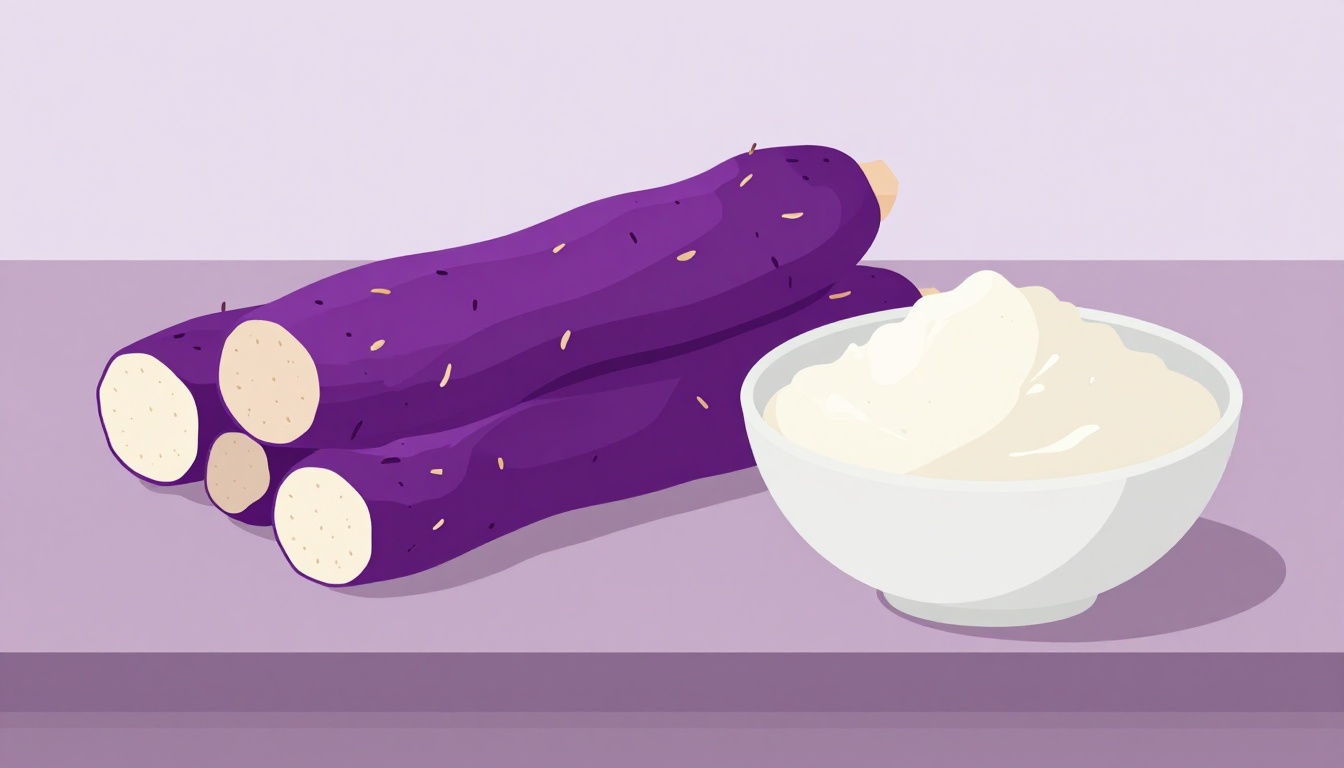
Here's the genuinely good news for anyone avoiding gluten: "pão de queijo," the cheese bread rolls covered earlier in this guide, are made with cassava starch rather than wheat flour, which makes them naturally gluten-free without any substitution needed. Wikipedia's page on cassava and its entry on tapioca, the starch extracted from the cassava root, explain why this particular Brazilian bread was gluten-free centuries before "gluten-free" was a marketing category anyone talked about. It's worth knowing this fact just for ordering confidently: at most Brazilian bakeries, "pão de queijo" is a safe default for a gluten-free guest at the table, no special request required.
For actually asking about these things out loud, here are the phrases worth having ready:
| Portuguese | English | When to use it |
|---|---|---|
| Isso tem glúten? | Does this have gluten? | Checking a specific item before ordering. |
| Você tem pão sem glúten? | Do you have gluten-free bread? | Asking a bakery or restaurant directly. |
| Sou intolerante à lactose. | I'm lactose intolerant. | Explaining a dietary restriction clearly. |
| Isso é vegano? | Is this vegan? | Confirming no animal products are involved. |
| Esse pão de queijo tem glúten? | Does this cheese bread have gluten? | A specific, common question, since the answer is usually reassuring. |
Wikipedia's overview of the gluten-free diet is a useful background reference if you're learning this vocabulary because of your own dietary needs rather than just curiosity, since it explains the difference between a preference, an intolerance, and celiac disease, a distinction that matters when you're explaining your situation to a bakery worker in a language you're still building confidence in.
Bread-Based Dishes and Words Derived from Pão
"Pão" doesn't stay in its own lane. It shows up as a building block inside a whole cluster of Brazilian and Portuguese dishes and derived vocabulary, and knowing these words unlocks menus, recipes, and everyday kitchen conversation.
| Portuguese | English | Notes |
|---|---|---|
| rabanada | Brazilian French toast | A Christmas-season dish, bread soaked in milk and egg, fried, and dusted with sugar and cinnamon. |
| misto quente | grilled ham and cheese sandwich | A staple lanchonete (snack bar) order across Brazil, served hot and pressed. |
| bauru | grilled roast beef and cheese sandwich | A São Paulo classic, layered with tomato, pickles, and melted cheese, named after the man it was reportedly invented for, according to its Wikipedia entry. |
| torrada | toast | Simple sliced bread, toasted, usually served with butter at breakfast. |
| torrada com tomate | toast with tomato | A simple, common Portuguese snack, close in spirit to what English speakers know as bruschetta, toasted bread rubbed or topped with fresh tomato. |
| pão na chapa | griddle-toasted bread with butter | A Brazilian breakfast and late-night snack staple, bread pressed and toasted on a hot griddle until crisp, then buttered while still hot. |
| pão de alho | garlic bread | Common as a starter or side, especially at Brazilian churrascarias (steakhouses). |
| pão frito | fried bread (croutons) | Cubed bread fried or toasted until crunchy, used to top salads and soups, the Portuguese-language equivalent of croutons. |
| sanduíche | sandwich | Borrowed directly from English, but pronounced with full Portuguese phonetics. |
| migalhas de pão / farinha de rosca | breadcrumbs | Used in cooking and breading, the second term literally means "flour of the crust." |
| cesta de pão | bread basket | What gets set on the table at a restaurant before the meal. |
A few of these are worth lingering on. "Rabanada" only really appears once a year, around Christmas, which makes it a good example of how food vocabulary in Portuguese is tied to a calendar, not just a menu; that same seasonal pattern shows up across the wider spread of dishes in our food in Portuguese guide if you want to go deeper. "Pão na chapa" is one of the most Brazilian orders on this whole list: it's what a lot of Brazilians order at 2am after a night out, or first thing in the morning at a padaria counter, buttered bread pressed flat on a hot griddle until the edges go crisp and the middle stays soft. And a "cesta de pão" pairs with more than you'd think: plenty of Brazilian and Portuguese meals put bread on the table alongside wine, and if that pairing interests you, our piece on wine in Portuguese covers the vocabulary for the glass sitting right next to that bread basket.

Describing Bread: Fresh, Stale, Crusty, Soft, Warm
Ordering bread is one skill. Describing it, complaining about it, or complimenting it is another, and it's the kind of vocabulary that makes you sound like you actually live somewhere instead of just visiting. Here are the adjectives you'll want on hand.
| Portuguese | English | Example use |
|---|---|---|
| fresco | fresh | "Esse pão está fresco." (This bread is fresh.) |
| duro | hard, stale | "O pão ficou duro." (The bread went stale.) |
| crocante | crusty, crunchy | "Adoro a casca crocante." (I love the crunchy crust.) |
| macio | soft | "Por dentro é bem macio." (Inside it's really soft.) |
| quentinho | nice and warm | "O pão está quentinho." (The bread is nice and warm.) |
Word order matters a little here in a way it doesn't in English. Brazilians will often put the adjective after the noun, as shown above, but you'll also hear it flipped for emphasis, especially with "quentinho," which carries a warmth of tone beyond just temperature, the same way "cozy" carries more feeling than "warm" does in English. If a Brazilian offers you bread and says it's "quentinho," they're not just describing the temperature. They're telling you it just came out of the oven and you should eat it now.
Notice, too, how "duro" (hard) reappears in a completely different context later in this guide, describing a person instead of a loaf. Portuguese does this constantly: physical adjectives for food slide sideways into descriptions of people and situations, and once you notice the pattern, it makes vocabulary stick faster because you're not memorizing two unrelated words, you're memorizing one word with two uses.
Idioms and Figurative Uses of "Pão"
Bread earns its living as a metaphor in Portuguese the same way it does in English, where we talk about "bread and butter" and "breadwinners." But Portuguese has built its own separate set of expressions around "pão," and a few of them are genuinely useful in everyday conversation, not just trivia.
| Expression | Literal meaning | Actual meaning |
|---|---|---|
| ganha-pão | bread earner | Breadwinner, or one's livelihood/main job. See Collins' entry for "ganha-pão" and bab.la's entry for "ganhar o pão". |
| pão-duro | hard bread | A stingy or cheap person; the food adjective "duro" from the table above, applied to a person. |
| pão-pão, queijo-queijo | bread is bread, cheese is cheese | To call a spade a spade, to be direct and clear about money or business. |
| comer o pão que o diabo amassou | to eat the bread the devil kneaded | To go through a genuinely hard time. |
| tirar o pão da boca de alguém | to take the bread from someone's mouth | To deprive someone of their livelihood or income. |
A few of these deserve a second look. "Pão-duro" is one you'll actually hear used casually about a friend who never wants to split the bill, and it's a good example of Portuguese turning a food texture into personality shorthand. "Comer o pão que o diabo amassou" is a wonderfully specific image, the idea that even the devil's bread still has to be eaten, and it captures hardship in a way that a flat translation like "going through a rough patch" just doesn't. Pimsleur's rundown of Brazilian food idioms and slang and Elon's collection of Portuguese food-related expressions both cover more of this territory if idioms are your thing, and honestly, idioms like these are some of the most fun vocabulary in the entire language, because they reveal what a culture actually thinks about money, hardship, and generosity through the lens of its most basic food.
Useful Full Sentences You'll Actually Say
Vocabulary lists and idiom tables are useful, but at some point you need whole sentences you can actually say out loud in a real moment. Here's a set built around the situations you'll genuinely hit: buying bread, eating it, and talking about it with someone else.
| Portuguese | English | When to use it |
|---|---|---|
| Como você está? Vamos comprar pão? | How are you? Should we go buy bread? | Casual opener before a bakery run with a friend. |
| Com licença, você pode me ajudar? | Excuse me, can you help me? | Getting a bakery worker's attention if they're busy. |
| Esse pão parece ótimo! | This bread looks great! | A compliment while pointing at something in the display case. |
| Prefiro o pão integral ao pão branco. | I prefer whole wheat bread to white bread. | Stating a preference. |
| Vou levar dois pães, por favor. | I'll take two loaves, please. | Ordering more than one, using the correct irregular plural. |
| O pão daqui é sempre fresquinho. | The bread here is always nice and fresh. | Complimenting a specific bakery you visit often. |
| Você pode esquentar o pão para mim? | Can you warm up the bread for me? | Asking staff to heat bread before serving it. |
| Adoro pão quentinho com manteiga. | I love warm bread with butter. | Describing a simple pleasure, small talk at breakfast. |
| Esse pão ainda está fresco de hoje? | Is this bread still fresh from today? | Checking that a loaf wasn't baked the day before. |
That second row leans on a phrase worth knowing on its own; our guide to saying excuse me in Portuguese breaks down the different versions and when each one fits, since "com licença" isn't the only option and picking the wrong one can sound oddly formal or oddly casual depending on the moment. And that opening line borrows straight from our guide on how are you in Portuguese, because "vamos comprar pão" is exactly the kind of low-pressure sentence worth practicing until it comes out automatically, the same way a native speaker doesn't think before saying it.
Notice something about that last few rows: "fresquinho" and "quentinho" both use the same warmth-through-diminutive pattern. Portuguese does this constantly, softening or warming a word by shrinking it, and once your ear catches the pattern, you'll start hearing it everywhere: "cafezinho" (little coffee, meaning just "a coffee"), "pouquinho" (a little bit). It's one of the more charming quirks of the language, and it barely shows up in textbooks because it's a spoken-language habit more than a written-grammar rule.
Quick FAQ: Bread in Portuguese, Answered Fast
| Question | Short answer |
|---|---|
| Is "pão" masculine or feminine? | Masculine. Always "o pão," never "a pão." |
| How do you pronounce "pão"? | As a single nasal sound, similar to "how" but pushed through the nose with your mouth mostly closed at the end. Same nasal sound as "não" and "coração." |
| What's the plural of "pão"? | "Pães," an irregular plural. Not "pãos." |
| Are "pão" and "pau" the same word? | No. "Pau" means stick or wood, without the nasal sound. They sound close to an untrained English ear, but the nasal vowel is the entire difference. |
| What do you call a bakery in Portuguese? | "Padaria." |
| What's the Brazilian word for a bread roll? | "Pão francês" nationally, though regional names like "pão de sal," "cacetinho," "pão careca," and "filão" exist depending on where you are in Brazil. |
| Is pão de queijo gluten-free? | Yes. It's made with cassava starch instead of wheat flour, so it's naturally free of gluten with no substitution needed. |
The Real Way to Make These Words Stick
You could memorize every table on this page, quiz yourself until the answers come instantly, and still freeze the first time a real Brazilian bakery worker asks "o que deseja?" faster than you expected. That's not a failure of memory. It's the gap between recognizing a word and being able to produce it under a little bit of pressure, in real time, with your own mouth. Recognition and production are genuinely different skills, and almost every study method out there, flashcards, apps you tap through in silence, grammar drills, trains only the first one.
Plenty of learners already understand more Portuguese than they give themselves credit for. If that's you, and the missing piece is speaking, not understanding, our story on how one person actually learned Portuguese is worth reading, because the turning point almost never comes from another vocabulary list. It comes from saying the words out loud, badly at first, until they stop being difficult. "Pão" is a perfect word to start with. It's short, it's everywhere, and it comes with a built-in reason to say it slowly and correctly: nobody wants to accidentally order the wrong thing at a bakery. And once you've got bread down, the same speaking-first approach carries over to whatever vocabulary you tackle next, whether that's a full sit-down meal or, if your next trip involves more sand than bakeries, the words covered in our guide to beach in Portuguese.
If you want to actually practice saying "pão," "pães," and everything else on this page out loud instead of just reading them one more time, start with a quick plan built around real spoken practice. Reading about bread in Portuguese only gets you halfway there. The rest happens when you open your mouth.


